

Olympic National Park is not only a haven for nature lovers but also a critical habitat for a wide array of wildlife species. The park's diverse ecosystems, ranging from coastal areas to alpine meadows, support a rich tapestry of animal life. This article delves into the unique wildlife of Olympic National Park, highlighting their ecological roles and the challenges they face.
Mammals of the Park
The park is home to a variety of mammal species, each adapted to its specific
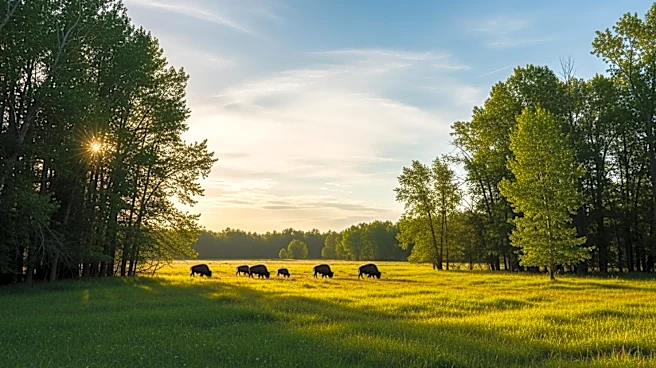
environment. Among the most iconic residents are the Roosevelt elk, which are native to the Pacific Northwest coast. Olympic National Park boasts the largest population of these majestic creatures, which play a crucial role in maintaining the park's ecological balance. By grazing on undergrowth, the elk help shape the structure of the park's rainforests, promoting biodiversity.
Other notable mammals include black bears, which are abundant throughout the park. These omnivores are vital for seed dispersal and help control insect populations. The park also supports a healthy population of cougars, which are top predators in the ecosystem. Their presence helps regulate prey populations, ensuring a balanced food web.
Avian Diversity
Birdwatchers will find Olympic National Park a paradise, with nearly 300 bird species recorded within its boundaries. The park's varied habitats provide nesting and feeding grounds for a wide range of avian species. Raptors such as bald eagles and ospreys are commonly seen soaring above the park's rivers, hunting for fish.
The park's forests are alive with the songs of warblers, thrushes, and chickadees. The northern spotted owl, a species of concern, finds refuge in the park's old-growth forests. These owls rely on the dense canopy for protection and prey on small mammals like flying squirrels.
Marine and Aquatic Life
The coastal areas of Olympic National Park are teeming with marine life. Tide pools along the rugged coastline are home to sea stars, anemones, and a variety of shellfish. Offshore, visitors might spot sea otters, seals, and even whales during migration seasons.
The park's rivers and streams are vital habitats for salmon and trout species. These fish are not only important for the park's ecosystem but also hold cultural significance for the native communities. Efforts to restore salmon populations, such as the removal of the Elwha River dams, have been crucial in supporting these keystone species.
Olympic National Park's wildlife is a testament to the park's ecological richness and complexity. Each species, from the smallest insect to the largest mammal, plays a vital role in maintaining the health and balance of this unique natural environment. As visitors explore the park, they are reminded of the importance of preserving these habitats for future generations.