
The American Museum of Natural History (AMNH) in New York City is home to an extensive array of exhibits that showcase the wonders of the natural world. With 45 permanent exhibition halls, a planetarium,
and a library, the museum offers visitors a chance to explore a diverse range of topics, from the origins of the universe to the intricacies of human evolution. This article delves into some of the most notable exhibits and collections that make the AMNH a must-visit destination for anyone interested in natural history.
The Hall of Saurischian Dinosaurs
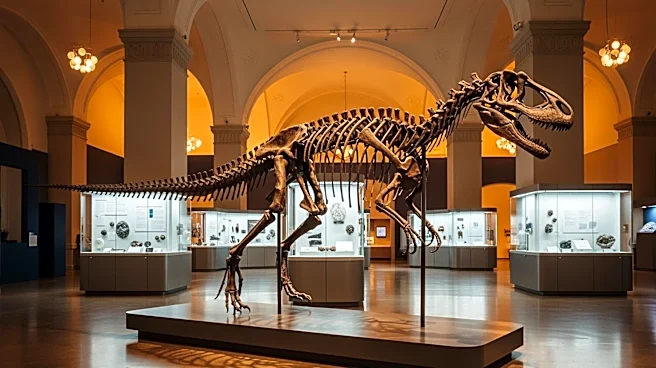
One of the most popular attractions at the AMNH is the Hall of Saurischian Dinosaurs, which features an impressive collection of dinosaur fossils. This hall is home to some of the museum's most iconic specimens, including the towering Tyrannosaurus rex and the long-necked Apatosaurus. The exhibits in this hall provide visitors with a glimpse into the prehistoric world, showcasing the diversity and complexity of these ancient creatures.
The Hall of Saurischian Dinosaurs is part of the museum's larger fossil collection, which is one of the most comprehensive in the world. The AMNH's fossil halls occupy the entire fourth floor of the museum, offering visitors a chance to explore the evolutionary history of vertebrates. From the earliest fish to the rise of mammals, the exhibits trace the development of life on Earth over millions of years.
The Akeley Hall of African Mammals
Another highlight of the AMNH is the Akeley Hall of African Mammals, named after the renowned taxidermist Carl Akeley. This two-story hall features 28 meticulously detailed dioramas that depict the diverse ecosystems of Africa and the mammals that inhabit them. The centerpiece of the hall is a herd of eight African elephants, arranged in a characteristic 'alarmed' formation.
The dioramas in the Akeley Hall of African Mammals are renowned for their realism and attention to detail. Each exhibit captures a specific moment in time, showcasing the interactions between animals and their environments. The hall also highlights the importance of conservation, emphasizing the need to protect these ecosystems and the species that call them home.
The Rose Center for Earth and Space
The Rose Center for Earth and Space is a striking addition to the AMNH, offering visitors a chance to explore the mysteries of the universe. The center is home to the Hayden Planetarium, where visitors can embark on a journey through space and time. The planetarium's immersive shows provide a captivating look at the cosmos, from the birth of stars to the formation of galaxies.
In addition to the planetarium, the Rose Center features the David S. and Ruth L. Gottesman Hall of Planet Earth. This exhibit explores the history of our planet, from its formation to the present day. Visitors can learn about the processes that shape the Earth's surface, the forces that drive climate change, and the delicate balance that sustains life on our planet.
Conclusion
The American Museum of Natural History offers a wealth of exhibits that cater to a wide range of interests. Whether you're fascinated by dinosaurs, intrigued by the diversity of life on Earth, or curious about the mysteries of the universe, the AMNH has something to offer. With its extensive collections and engaging exhibits, the museum provides a unique opportunity to explore the natural world and gain a deeper understanding of the forces that have shaped our planet and its inhabitants.
As the AMNH continues to expand and innovate, it remains a vital resource for scientific research and education. By showcasing the wonders of the natural world, the museum inspires visitors to appreciate the beauty and complexity of the world around us, fostering a sense of curiosity and wonder that will last a lifetime.