





Lausitzring, nestled in the northeast of Germany, has carved out a niche as a premier destination for high-speed motorsport. Known for its unique tri-oval track, the venue has hosted a variety of racing events that draw fans and drivers from around the globe. This article explores Lausitzring's significance in the world of high-speed racing and its impact on the motorsport community.
The Unique Tri-Oval Track
One of Lausitzring's most distinctive features is its high-speed
tri-oval track, a rarity in continental Europe. This 3.256 km (2.023 mi) track is similar to the Pocono Raceway in the United States, known for its use in NASCAR and IndyCar events. The tri-oval design allows for high-speed racing, providing a thrilling experience for both drivers and spectators.
The track's design has made it a popular choice for various racing series. It has hosted the German 500, part of the CART series, which brought open-wheel racing to the European audience. The tri-oval has also been used for British SCSA Stock car races and the German Formula Three Championship, showcasing its versatility and appeal to different racing formats.
Hosting Major Racing Events
Since its opening in 2000, Lausitzring has been a regular venue for the German Touring Car Championship (DTM), one of the most prestigious touring car series in the world. The track's challenging layout and high-speed sections make it a favorite among drivers and teams, contributing to its reputation as a top-tier racing destination.
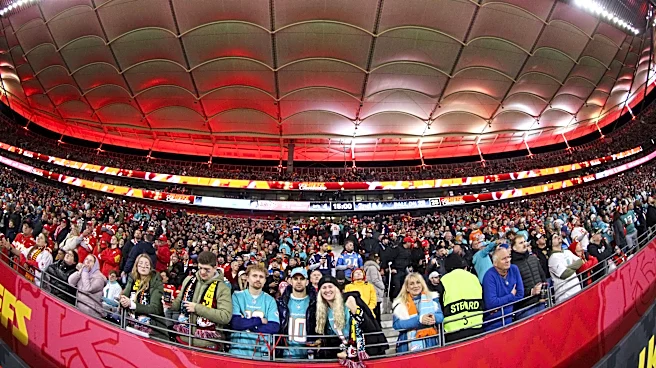
In addition to DTM, Lausitzring has also hosted the Superbike World Championship, further cementing its status as a hub for high-speed motorsport. These events attract large crowds, with the grandstands capable of accommodating up to 120,000 spectators. The venue's ability to host such significant events highlights its importance in the global racing calendar.
The Future of Racing at Lausitzring
In recent years, Lausitzring has undergone changes that have sparked discussions about its future as a racing venue. In 2017, the track was acquired by Dekra, a company focused on vehicle inspection and testing. Dekra's plans to use the facility as a proving ground for road car innovations, particularly in autonomous driving, have raised questions about the continuation of public racing events.
Despite these changes, Lausitzring remains a vital part of the motorsport landscape. Dekra has assured that while it will not organize racing events, other companies are welcome to do so, ensuring that the track continues to host high-speed racing in the years to come. Lausitzring's legacy as a hub for motorsport is secure, with its unique track and history of hosting major events keeping it at the forefront of the racing world.