

Polyurethane has revolutionized the automotive industry with its unique properties and versatility. This polymer has become a staple in the manufacturing of various automotive components, offering benefits such as durability, flexibility, and cost-effectiveness. This article explores the significant impact of polyurethane on automotive manufacturing and design, highlighting its role in enhancing vehicle performance and safety.
The Rise of Polyurethane in Automotive Manufacturing
The introduction of polyurethane
into the automotive industry marked a significant shift in manufacturing practices. Its ability to be molded into complex shapes made it an ideal material for producing various components. Polyurethane's flexibility and durability allowed for the creation of parts that could withstand the rigors of automotive use.
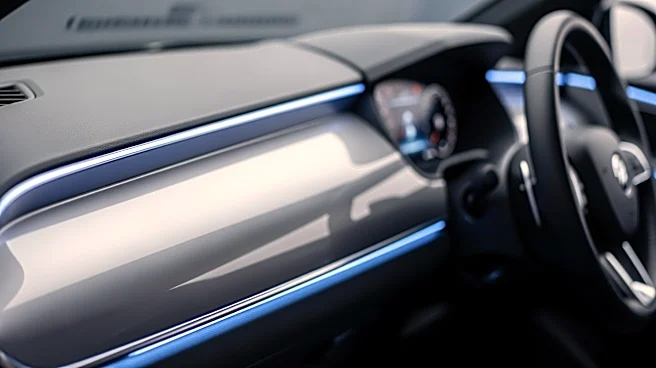
One of the earliest applications of polyurethane in the automotive sector was in the production of seating. The material's cushioning properties made it perfect for car seats, providing comfort and support for passengers. Over time, polyurethane's use expanded to include headrests, armrests, and other interior components, enhancing the overall comfort and aesthetics of vehicles.
Advancements in Automotive Design
Polyurethane has also played a crucial role in advancing automotive design. The development of reaction injection molding (RIM) technology allowed for the production of lightweight and durable components, such as bumpers and body panels. This process enabled manufacturers to create parts with complex geometries, improving the aerodynamics and fuel efficiency of vehicles.
The flexibility of polyurethane has also contributed to the design of safer vehicles. Its energy-absorbing properties make it an excellent material for impact protection, reducing the risk of injury during collisions. Polyurethane foams are used in crumple zones and other safety features, providing an additional layer of protection for passengers.
The Future of Polyurethane in Automobiles
As the automotive industry continues to evolve, the demand for innovative materials like polyurethane is expected to grow. The push for more sustainable and environmentally friendly vehicles has led to the development of bio-based polyurethanes, offering a greener alternative for manufacturers. Additionally, advancements in processing technologies may lead to even more applications for polyurethane in the automotive sector.
In conclusion, polyurethane has been a game changer in the automotive industry, offering a range of benefits that have improved vehicle performance, safety, and design. Its versatility and adaptability make it a valuable material for manufacturers, and its continued development promises to drive further innovations in the automotive world.