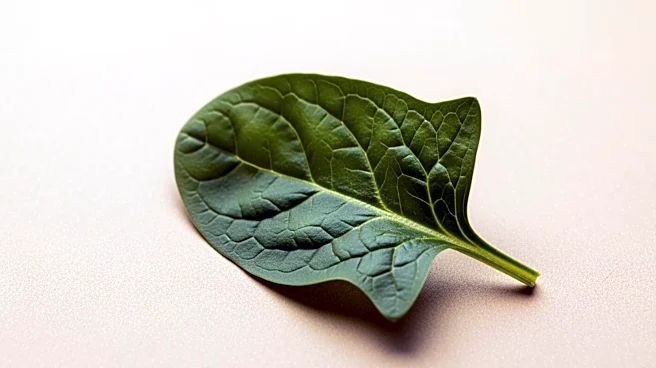





Kale, a leafy green vegetable from the cabbage family, has found its way into kitchens around the world, becoming a staple in diverse culinary traditions. Known for its nutritional benefits and versatility, kale is used in a variety of dishes, each reflecting the unique flavors and customs of its region. This article explores the global culinary journey of kale, highlighting its role in traditional recipes and modern cuisine.
European Culinary Traditions
In Europe, kale has long
been a staple in traditional dishes, particularly in the colder months. In the Netherlands, "boerenkoolstamppot" is a beloved winter dish that combines curly kale with mashed potatoes and fried bacon, often served with smoked sausage. This hearty meal is a testament to kale's ability to provide sustenance and warmth during the chilly season.
Northern Germany celebrates kale with a winter tradition known as "Kohlfahrt," or "kale trip." Groups of people embark on hikes through the woods, culminating in a gathering where kale is served alongside bacon and kale sausage. This tradition underscores kale's status as a comfort food in the region.
Kale in Mediterranean and Asian Cuisine
In Italy, cavolo nero kale is a key ingredient in Tuscan soup ribollita, a thick, hearty dish made from leftover ingredients. The kale adds a slightly bitter and earthy flavor, complementing the rich broth and vegetables. Similarly, in Portugal, kale is used in "caldo verde," a traditional soup that combines pureed potatoes, finely sliced kale, olive oil, and spicy sausage.
In Asia, kale is embraced for its tender leaves and mild flavor. In Sri Lanka, kale is known as "kola gova" and is used in a dish called "kale mallung," served alongside rice. Chinese kale, or kai-lan, is a popular ingredient in stir-fries and soups, showcasing kale's adaptability to different cooking methods.
Kale's Modern Popularity in the United States
In the United States, kale has transitioned from a decorative plant to a culinary favorite, thanks to its nutritional benefits. It is commonly used in salads, smoothies, and as a substitute for potato chips in the form of kale chips. Kale's versatility and health benefits have made it a popular choice among health-conscious consumers.
As kale continues to gain popularity worldwide, its role in culinary traditions highlights its adaptability and enduring appeal. From hearty European dishes to vibrant Asian cuisine, kale's global journey reflects its ability to enhance flavors and provide nourishment across cultures.