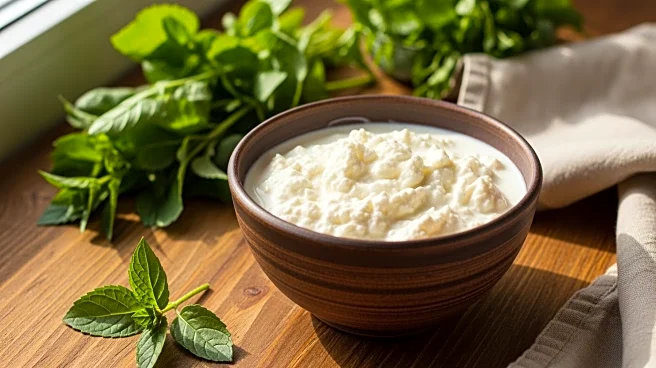




Soured milk, also known as naturally soured milk, is a fascinating dairy product that undergoes a natural fermentation process. Unlike cultured milk, which is produced through controlled fermentation with starter cultures, soured milk is fermented with indigenous microorganisms, primarily mesophilic lactic acid bacteria. This natural process not only thickens the milk but also extends its shelf life by inhibiting the growth of harmful bacteria. Let's
delve into the unique characteristics and benefits of naturally soured milk.
The Fermentation Process
The fermentation of soured milk is a natural process that involves the action of indigenous microorganisms. These microorganisms, mainly mesophilic lactic acid bacteria, are naturally present in the milk. As they ferment the milk, they produce lactic acid, which causes the milk to coagulate and thicken. This thickening is a key characteristic of soured milk, giving it a distinct texture and flavor.
The production of lactic acid not only contributes to the sour taste but also plays a crucial role in preserving the milk. By lowering the pH of the milk, lactic acid creates an environment that is inhospitable to harmful bacteria, thereby extending the milk's shelf life. This natural preservation method was particularly valuable before the advent of refrigeration, allowing milk to be stored and consumed safely over a longer period.
Varieties of Soured Milk
Soured milk is enjoyed in various forms around the world, each with its own unique characteristics. In southern Africa, amasi is a popular type of soured milk that is often consumed as a staple food. In Ireland, clabber is a traditional form of soured milk that is thick and creamy, often used in baking or eaten with fruit.
Germany offers Dickmilch, or thick milk, and Herbstmilch, or autumn milk, both of which are variations of soured milk with distinct flavors. In Russia, prostokvasha is a well-known type of soured milk, while in Egypt, laban rayeb is a common choice. Each of these varieties showcases the versatility and cultural significance of soured milk across different regions.
Benefits of Naturally Soured Milk
Naturally soured milk offers several benefits beyond its extended shelf life. The fermentation process enhances the nutritional profile of the milk by increasing the availability of certain nutrients. The lactic acid bacteria involved in fermentation can also have probiotic effects, promoting a healthy gut microbiome.
Additionally, the thickened texture and tangy flavor of soured milk make it a versatile ingredient in cooking and baking. It can be used in recipes that call for buttermilk or yogurt, adding a unique taste and texture to dishes. Whether enjoyed on its own or as part of a recipe, naturally soured milk is a testament to the art of fermentation and its enduring appeal.