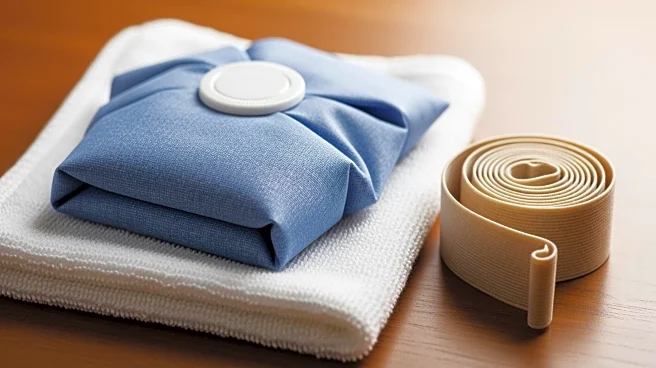




Sprains are a common injury, especially in sports, and the RICE method is a widely recommended treatment approach. RICE stands for Rest, Ice, Compression, and Elevation, and it aims to reduce swelling and pain while promoting healing. Although universally accepted, the effectiveness of RICE is still debated, with some experts questioning its impact on recovery.
The Components of RICE
The RICE method begins with Rest, which involves limiting the use of the injured area to
prevent further damage. Rest is crucial immediately after the injury to reduce inflammation and allow the body to start the healing process. Ice is applied to the injury to reduce swelling and numb the area, providing temporary pain relief. It is typically used in cycles of 15-20 minutes on and 20-30 minutes off.
Compression involves wrapping the injured area with bandages or braces to prevent swelling and provide support. This helps in reducing the accumulation of fluids in the injured area, facilitating faster recovery. Elevation is the final component, where the injured limb is kept above the level of the heart to use gravity in reducing swelling.
Debates on Effectiveness
Despite its widespread use, the effectiveness of the RICE method is debated. Some studies suggest that while RICE can provide temporary relief, it may not significantly speed up recovery. Critics argue that ice might delay healing by restricting blood flow, which is essential for delivering nutrients and immune cells to the injured area.
Recent discussions have led to variations of the RICE method, such as PRICE, which adds Protection, and POLICE, which includes Optimal Loading. These variations aim to address the limitations of RICE by emphasizing the importance of protecting the injury and gradually reintroducing movement.
Alternatives and Modern Approaches
Modern approaches to sprain treatment often focus on functional recovery rather than immobilization. Physical therapy and exercises are encouraged to restore movement and strength. Balance and neuromuscular training are also recommended to prevent future injuries.
Some experts suggest that supervised rehabilitation programs are more effective than home exercises, as they provide structured guidance and monitoring. Additionally, the use of braces is preferred over taping for preventing reinjury, especially in high-risk sports.
While the RICE method remains a staple in sprain treatment, ongoing research and clinical trials continue to explore its effectiveness and potential improvements. As understanding of soft tissue injuries evolves, treatment protocols may shift towards more dynamic and individualized approaches.