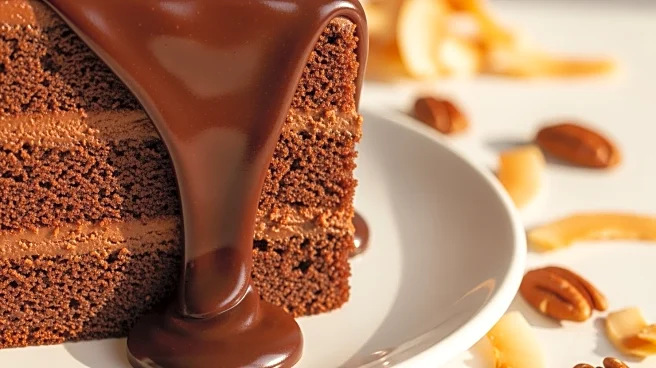




German chocolate cake is more than just a dessert; it is a cultural icon in the United States. Known for its rich chocolate layers and unique coconut-pecan frosting, this cake has captured the hearts and taste buds of many. This article explores the cultural significance and widespread popularity of German chocolate cake.
A National Favorite
German chocolate cake's journey to becoming a national favorite began in the 1950s. The cake's recipe, featuring German's Sweet
Chocolate, was first published in a Dallas newspaper in 1956. However, it was the 1957 publication in The Dallas Morning News that truly catapulted the cake to fame. The recipe, submitted by Lucy Clay, quickly gained traction, leading to a surge in popularity.
General Foods, the owner of the Baker's brand, recognized the cake's potential and distributed the recipe to newspapers across the country. This strategic move not only increased the cake's visibility but also boosted sales of Baker's Chocolate by a reported 73%. The cake's success was a testament to the power of media and marketing in shaping culinary trends.
A Misleading Name
Despite its name, German chocolate cake is not of German origin. The cake was named after Samuel German, the creator of the chocolate used in the recipe. Over time, the possessive form "German's" was dropped, leading to the current name. This change inadvertently led many to believe the cake had German roots, adding an element of intrigue to its story.
The cake's name and unique flavor profile have contributed to its enduring appeal. The combination of rich chocolate and the distinctive coconut-pecan frosting offers a taste experience that is both familiar and exotic. This blend of flavors has made German chocolate cake a staple at celebrations and gatherings across the country.
Variations and Adaptations
The popularity of German chocolate cake has inspired numerous variations and adaptations. In Hawaii, a version known as Chantilly cake has become popular. This variation omits the coconut and nuts in the frosting, sometimes replacing them with macadamia nuts. Despite these changes, the essence of the original cake remains intact.
German chocolate cake's ability to inspire creativity and adaptation speaks to its cultural significance. It is a dessert that has transcended its origins to become a beloved part of American culinary tradition. Whether enjoyed in its classic form or as a creative variation, German chocolate cake continues to delight and inspire.
In conclusion, German chocolate cake's success is a reflection of its unique flavor, intriguing history, and cultural impact. It is a dessert that has stood the test of time, remaining a favorite among dessert lovers across the United States.