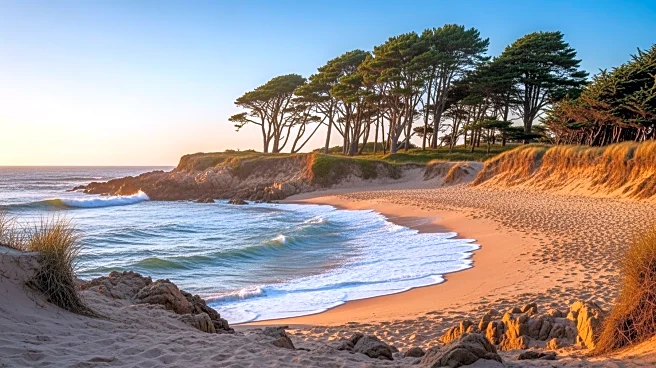




Westerly, Rhode Island, is a town defined by its stunning natural landscapes and unique geographic features. Located on the southwestern coastline of Washington County, Westerly offers a diverse array of natural attractions that draw visitors and residents alike. This article explores the town's geographic setting, its natural resources, and the role these features play in shaping Westerly's identity.
Geographic Setting and Natural Borders
Westerly is situated on the south shore of Rhode
Island, bordered by the Pawcatuck River to the west and north. This natural border not only defines the town's boundaries but also serves as a vital resource for the community. The Pawcatuck River flows from 15 miles inland, emptying into Little Narragansett Bay, and historically supported a unique species of salmon that became a symbol of the town.
The town's coastal location is characterized by three large salt ponds—Maschaug Pond, Winnapaug Pond, and Quonochontaug Pond—each separated from the ocean by sandbars of white sand. These ponds contribute to Westerly's scenic beauty and provide habitats for various wildlife species. The town's south-facing geography also makes it a prime location for surfing, with large southerly swells occurring during late summer and fall.
Climate and Environmental Conditions
Westerly experiences a humid subtropical climate, with warm summers and cool winters. The town's coastal location moderates temperature extremes, resulting in a long warm season from April to mid-November. Westerly receives about 42.8 inches of precipitation annually, with snow cover being brief due to the marine-influenced climate.
The town's climate and natural features make it an attractive destination for outdoor enthusiasts. The beaches, salt ponds, and river provide opportunities for activities such as swimming, fishing, and kayaking. Additionally, the Westerly Land Trust protects local landscapes, ensuring that these natural resources are preserved for future generations.
Impact on Community and Economy
Westerly's natural and geographic features have a significant impact on the town's community and economy. The beaches and coastal areas attract tourists, contributing to the local economy and supporting businesses such as hotels, restaurants, and shops. The town's natural beauty also enhances the quality of life for residents, offering recreational opportunities and a connection to the environment.
The town's commitment to preserving its natural resources is evident in initiatives like the Westerly Land Trust, which promotes environmental stewardship and sustainable development. This dedication to conservation ensures that Westerly's natural features continue to play a central role in the town's identity and appeal.
In summary, Westerly, Rhode Island, is a town shaped by its natural and geographic features. From its scenic beaches and salt ponds to its moderate climate and rich biodiversity, Westerly offers a unique blend of natural attractions that define its character. These features not only enhance the town's beauty but also contribute to its economic vitality and community spirit, making Westerly a special place to live and visit.