
Measuring cups are essential tools in any kitchen, designed to measure the volume of both liquid and dry ingredients. However, not all measuring cups are created equal. They come in various types, each
suited for specific tasks. This article explores the different types of measuring cups available and their unique features, helping you choose the right one for your needs.
Liquid vs. Dry Measuring Cups
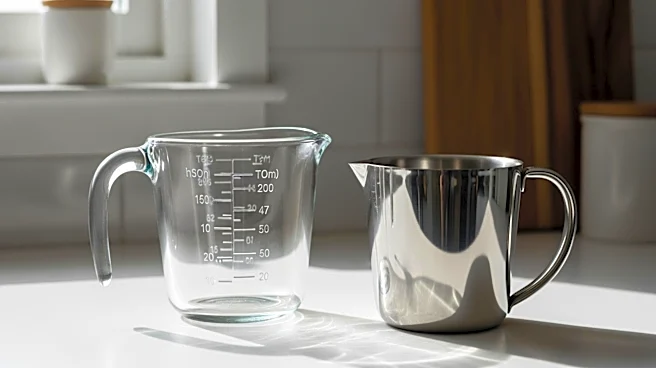
The primary distinction between measuring cups lies in their intended use: liquid or dry ingredients. Liquid measuring cups are typically made of glass or clear plastic, allowing users to see the measurement markings from the outside. These cups often have a spout for easy pouring and are designed to measure liquids like water, milk, and oil. They are usually microwave safe, making them convenient for heating liquids directly in the cup.
On the other hand, dry measuring cups are often made of metal or opaque plastic. They are designed to be filled to the top and leveled off, ensuring an accurate measurement of dry ingredients like flour, sugar, and grains. These cups come in sets, typically including 1/4, 1/3, 1/2, and 1 cup sizes. The design of dry measuring cups allows for easy scooping and leveling, which is crucial for achieving precise measurements in baking.
Metric vs. Imperial Measurements
Measuring cups also differ based on the measurement system they use. In the U.S., measuring cups are typically marked in cups and fluid ounces, adhering to the U.S. customary system. A standard U.S. measuring cup holds 8 fluid ounces or approximately 236.588 milliliters. In contrast, the metric system, used in many other countries, measures in milliliters and liters. A metric cup is often 250 milliliters.
Some measuring cups feature dual markings, accommodating both metric and imperial measurements. This versatility is particularly useful for those who use recipes from different countries or who prefer the precision of metric measurements. Having a set of measuring cups that includes both systems can simplify the cooking process and ensure accuracy.
Specialty Measuring Cups
Beyond the standard liquid and dry measuring cups, there are specialty measuring cups designed for specific tasks. For example, some measuring cups come with additional scales for measuring the approximate weight of particular substances, such as flour and sugar. These cups can be particularly useful for bakers who need to convert volume measurements to weight.
Another specialty type is the collapsible measuring cup, which is designed for easy storage. These cups are made of flexible materials that can be flattened when not in use, saving space in crowded kitchen drawers. Collapsible measuring cups are ideal for those with limited storage space or who frequently travel with their cooking tools.
In conclusion, understanding the different types of measuring cups and their specific uses can enhance your cooking experience. Whether you're measuring liquids, dry ingredients, or need a specialty cup for a particular task, choosing the right measuring cup can make a significant difference in the accuracy and ease of your culinary endeavors.