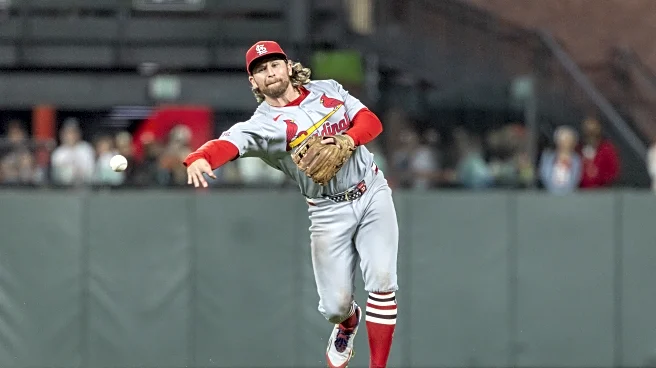


The National League (NL) has been a cornerstone of Major League Baseball (MLB) since its founding in 1876. Beyond its role in the sport's development, the National League has also had a significant cultural and social impact on baseball and American society. This article explores the National League's influence on the cultural landscape, highlighting its contributions to the sport's traditions, its role in breaking racial barriers, and its impact on American identity.
Preserving Baseball Traditions
The National League has long been regarded as the more "traditional" league in Major League Baseball, known for its emphasis on strategy and smallball tactics. This reputation has contributed to the preservation of baseball's traditional elements, such as the absence of the designated hitter rule until 2022. The league's focus on strategic play, including bunting, stealing bases, and pitcher involvement in the batting lineup, has kept the spirit of early baseball alive.
The National League's commitment to tradition has also influenced the sport's cultural landscape by maintaining a connection to baseball's roots. Fans of the league often appreciate the strategic depth and managerial decisions required in games, which harken back to the early days of baseball. This emphasis on tradition has helped the National League maintain a distinct identity within Major League Baseball, appealing to purists and long-time fans of the sport.
Breaking Racial Barriers
The National League played a crucial role in breaking racial barriers in professional baseball. In 1947, Jackie Robinson made history by becoming the first African American player to break the color barrier in Major League Baseball when he debuted with the Brooklyn Dodgers, a National League team. Robinson's entry into the league marked a significant turning point in the sport's history and had a profound impact on American society.
Robinson's success in the National League paved the way for other African American players to join Major League Baseball, leading to greater diversity and inclusion within the sport. The league's willingness to embrace change and challenge societal norms contributed to the broader civil rights movement in the United States. The National League's role in breaking racial barriers remains a significant part of its cultural legacy.
Shaping American Identity
Baseball has long been considered America's pastime, and the National League has played a vital role in shaping the sport's place in American culture. The league's history and traditions have become intertwined with the nation's identity, reflecting the values and ideals of American society. The National League's emphasis on teamwork, strategy, and perseverance resonates with the American spirit, making it an integral part of the country's cultural fabric.
The league's influence extends beyond the baseball diamond, as it has inspired countless stories, films, and works of art that celebrate the sport and its impact on American life. The National League's storied history and iconic moments have become part of the collective memory of baseball fans and the nation as a whole. As a result, the league continues to play a significant role in shaping the cultural landscape of baseball and American society.
The National League's influence on baseball's cultural landscape is undeniable. From preserving the sport's traditions to breaking racial barriers and shaping American identity, the league has left an indelible mark on both the sport and society. As the National League continues to evolve, its cultural and social impact will remain a vital part of its legacy, reflecting the enduring power of baseball as America's pastime.