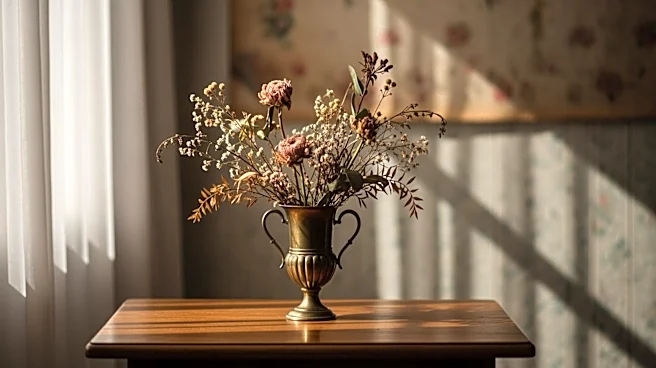







Floral design, the art of arranging flowers and plant materials, has a rich history that spans thousands of years. From the ancient Egyptians to modern-day designers, the practice has evolved significantly, influenced by cultural, religious, and artistic trends. This journey through time reveals how floral design has been shaped by different civilizations and continues to inspire creativity today.
Ancient Beginnings
The earliest evidence of floral design dates back to
ancient Egypt, where flowers were used in religious ceremonies and as offerings to the gods. Egyptians placed lotus flowers and buds in vases, creating arrangements that often included sacred plants like papyrus. The Greeks and Romans also embraced floral design, using garlands and wreaths in their celebrations and religious rituals. These early designs laid the foundation for the art form, emphasizing the symbolic meaning of flowers.
In Asia, floral design was influenced by philosophical and religious principles. Chinese and Korean arrangements were based on Confucian, Buddhist, and Taoist ideas, often incorporating natural elements like rocks. Japanese Ikebana, a highly disciplined art form, focused on simplicity and the harmony between heaven, humans, and earth.
European Influence and Evolution
During the Renaissance, floral design in Europe became more elaborate, with arrangements often featuring bright, contrasting colors and symbolic elements. The French Baroque period introduced soft, pastel colors and emphasized the individual beauty of each flower. English designs, influenced by the vast variety of plant materials available, were formal and symmetrical.
In the Americas, early colonial arrangements reflected a simplistic lifestyle, using wildflowers and grasses. Over time, American designs evolved, drawing inspiration from European styles and incorporating more sophisticated elements.
Modern Floral Design
The mid-20th century marked a turning point for floral design, as it began to be recognized as an art form. Modern designers sought to break free from traditional patterns, experimenting with abstract designs and new styles. Today, floral design encompasses a wide range of styles, from the naturalistic Garden Style to the structured Formal Linear.
Floral design continues to evolve, influenced by cultural trends and individual creativity. Whether inspired by ancient traditions or modern innovations, the art of floral design remains a testament to the enduring beauty and significance of flowers.