







High Spirits is a 1964 Broadway musical that brings to life the whimsical and supernatural elements of Noël Coward's play, Blithe Spirit. With music and lyrics by Hugh Martin and Timothy Gray, the musical adaptation captures the essence of Coward's original work while adding a melodic twist. This article delves into the development and production of High Spirits, highlighting its journey from page to stage.
The Origins of High Spirits
High Spirits is based on Noël Coward's play
Blithe Spirit, a comic masterpiece that first graced the West End in 1941. The play was a significant success, running for 1,997 performances in London and 657 performances on Broadway. Its popularity made it a prime candidate for a musical adaptation. Coward himself directed the musical version, ensuring that the spirit of the original play was preserved while allowing the new musical elements to shine.
The adaptation process involved the collaboration of Hugh Martin and Timothy Gray, who were tasked with creating a score that would complement Coward's witty dialogue and eccentric characters. Their work resulted in a musical that retained the humor and charm of the original play, while also introducing new songs that added depth to the characters and story.
Bringing High Spirits to Broadway
High Spirits premiered on Broadway in 1964, with a cast that included Edward Woodward as Charles, Louise Troy as Ruth, Tammy Grimes as Elvira, and Beatrice Lillie as Madame Arcati. The production was well-received, running for 375 performances and earning three Tony Award nominations. The musical's success can be attributed to its faithful adaptation of Coward's play, as well as the strong performances of its cast.
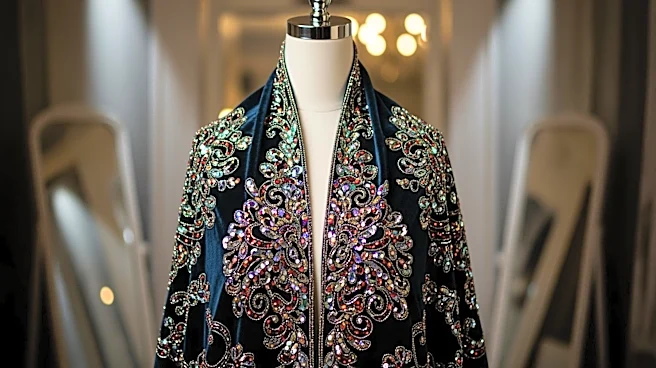
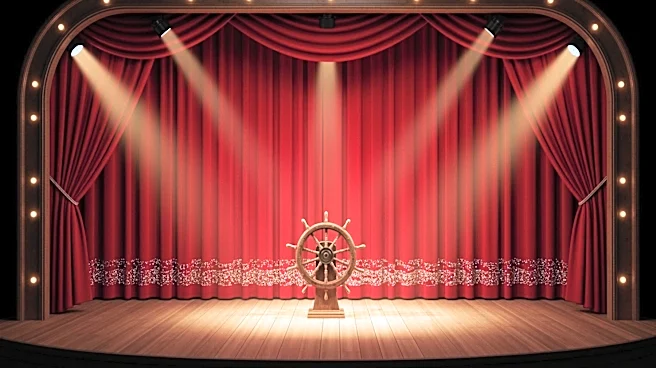
The musical's staging and design also played a crucial role in its success. The production featured elaborate sets and costumes that brought the supernatural elements of the story to life. The creative team worked diligently to ensure that the musical's visual elements matched the whimsical and otherworldly tone of the story.
The Legacy of High Spirits
High Spirits enjoyed a three-month run in the West End following its Broadway success, further cementing its place in musical theater history. The musical's ability to capture the essence of Coward's play while adding its own unique flair has made it a beloved adaptation among fans of both theater and music.
The musical's legacy continues to be celebrated through revivals and recordings, allowing new generations to experience the charm and wit of High Spirits. Its success serves as a testament to the enduring appeal of Noël Coward's work and the creative talents of Hugh Martin and Timothy Gray.
In conclusion, High Spirits stands as a shining example of how a classic play can be transformed into a successful musical, maintaining the original's spirit while adding new dimensions through music and performance.