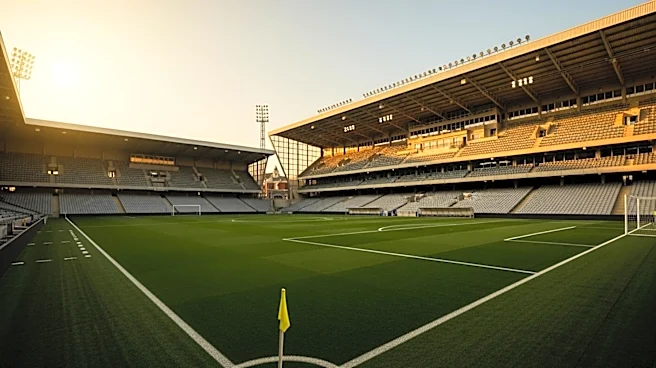







Sarrià Stadium in Barcelona was not only a significant venue for football matches but also a center for various entertainment events. From hosting international football tournaments to concerts by world-renowned artists, Sarrià Stadium was a versatile venue that attracted diverse audiences. Its history is marked by memorable events that extended beyond the realm of sports.
Football Glory at Sarrià Stadium
Sarrià Stadium was the home of RCD Espanyol from 1923 until its demolition in
1997. It was a key venue during the 1982 FIFA World Cup, hosting Group C matches that included teams like Italy, Brazil, and Argentina. The stadium witnessed some of the most thrilling matches in World Cup history, including the legendary Italy vs. Brazil game, which is still celebrated for its intensity and skill.
Beyond the World Cup, Sarrià Stadium hosted the first leg of the 1988 UEFA Cup Final, where Espanyol faced Bayer Leverkusen. This match was another highlight in the stadium's football history, showcasing its ability to host significant international events. The stadium's role in these tournaments solidified its reputation as a premier football venue.
A Stage for Music Legends
Sarrià Stadium was not limited to football; it also served as a stage for some of the biggest names in music. In 1988, Pink Floyd performed at the stadium during their A Momentary Lapse of Reason Tour, followed by a concert by George Michael as part of his Faith World Tour. These performances attracted large crowds and demonstrated the stadium's versatility as an entertainment venue.
In 1991, Sting performed at Sarrià Stadium during The Soul Cages Tour, further cementing the stadium's status as a popular concert venue. These events brought a different kind of energy to the stadium, attracting music fans from all over and adding to its rich history.
The End of an Era
Despite its vibrant history, Sarrià Stadium was demolished in 1997 due to financial difficulties faced by RCD Espanyol. The last football match played at the stadium was against Valencia, marking the end of an era for the beloved venue. While the stadium no longer stands, its legacy lives on through the memories of the events it hosted.
Sarrià Stadium was more than just a football venue; it was a cultural hub that brought together sports and entertainment. Its diverse history reflects its importance in Barcelona's cultural landscape, and its impact continues to be remembered by fans and artists alike.