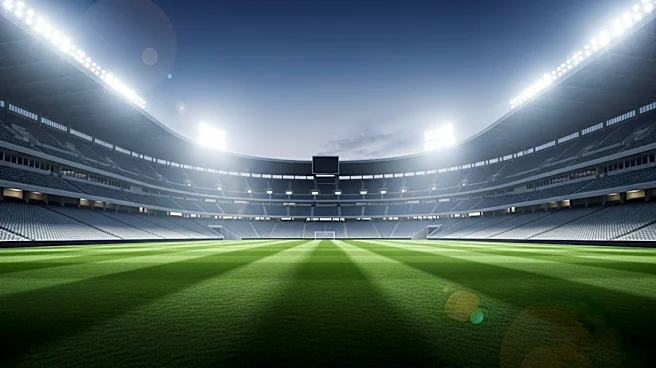







Shea Stadium, located in Queens, New York City, was not only a sports venue but also a stage for some of the most iconic events and performances in history. From legendary concerts to unforgettable sports milestones, Shea Stadium was a place where history was made. This article highlights the major events and performances hosted at Shea Stadium, showcasing its significance as a cultural and entertainment hub.
Legendary Concerts
Shea Stadium was renowned for hosting some
of the most memorable concerts in music history. The Beatles' performance on August 15, 1965, was a groundbreaking event, drawing a record audience of 55,600 fans. This concert demonstrated the potential for large-scale outdoor music events and set the stage for future stadium concerts.
The Beatles returned to Shea Stadium in 1966 for another successful performance, solidifying the venue's reputation as a premier concert location. Over the years, Shea Stadium hosted numerous other legendary acts, including The Who, Simon & Garfunkel, and Bruce Springsteen. These concerts attracted massive crowds and contributed to the stadium's cultural significance.
Sports Milestones
In addition to concerts, Shea Stadium was the site of many significant sports milestones. It hosted the New York Mets' first-ever World Series in 1969, where the "Miracle Mets" won the championship against the Baltimore Orioles. This victory was a defining moment in Mets history and a source of pride for New York sports fans.
Shea Stadium also witnessed other memorable sports events, such as the 1986 World Series, where the Mets defeated the Boston Red Sox in a dramatic seven-game series. The stadium's role in these historic sports moments cemented its status as a beloved venue for fans and players alike.
Cultural Impact and Legacy
The events and performances hosted at Shea Stadium had a lasting impact on New York's cultural landscape. The stadium was a place where people from all walks of life could come together to experience the thrill of live music and sports. It fostered a sense of community and shared excitement among attendees.
Shea Stadium's legacy continues to be celebrated by fans who remember the iconic events that took place there. Although the stadium was demolished in 2009, its influence on New York's cultural and entertainment scene remains strong. The memories of concerts and sports milestones at Shea Stadium are cherished by those who experienced them firsthand.
In conclusion, Shea Stadium was more than just a sports venue; it was a cultural landmark that hosted some of the most iconic events and performances in history. Its role in shaping New York's entertainment landscape is a testament to the power of live events to bring people together and create lasting memories.