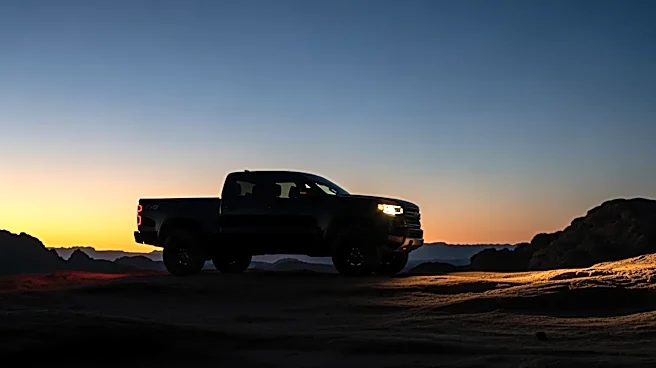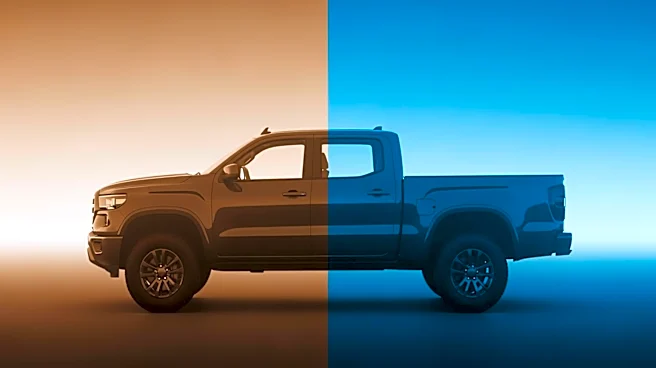




The Nissan Navara, a pickup truck produced by the Japanese automaker Nissan, has been a staple in the automotive industry since its inception in 1986. Known for its rugged design and versatility, the Navara has undergone significant transformations across its four generations, adapting to changing market demands and technological advancements. This article delves into the historical development of the Nissan Navara, highlighting key changes and milestones
that have defined its journey.
First Generation: The Beginning
The first generation of the Nissan Navara, known as the D21, was introduced in 1986. This model marked Nissan's transition from the Datsun brand to its own name, offering a pickup that was robust and reliable. The D21 was initially available in several configurations, including single and double cab versions, catering to a wide range of consumer needs. It was equipped with a diesel engine, which, despite its lack of power, was praised for its reliability.
During its production run, the D21 underwent several updates, including a facelift in 1992 that introduced a more rounded hood and cosmetic changes. The introduction of a 3.0-liter V6 engine in the early 1990s was a significant upgrade, providing more power and enhancing the vehicle's appeal. The D21 set the foundation for the Navara's reputation as a durable and versatile pickup.
Second Generation: Expansion and Innovation
The second generation, known as the D22, was launched in 1997. This model saw the Navara being marketed under its name in Europe for the first time, while in the United States, it was sold as the Nissan Frontier. The D22 featured a more modern design with improved driving dynamics and a refined interior, making it more appealing to a broader audience.
The D22 offered various engine options, including both gasoline and diesel variants, with the latter being particularly popular for its fuel efficiency. The introduction of a King Cab version provided additional space and comfort, further expanding the Navara's market reach. The D22 continued to be produced in some regions even after the introduction of its successor, highlighting its enduring popularity.
Third and Fourth Generations: Modernization and Global Reach
The third generation, the D40, was introduced in 2004 and marked a significant shift towards modernity. It featured a more aerodynamic design, advanced safety features, and improved engine performance. The D40 was restyled in 2010, receiving updates such as a new bumper and enhanced interior finishes, which kept it competitive in the market.
In 2014, the fourth generation, known as the D23, was launched. This model embraced modern technology, incorporating features inspired by crossovers and SUVs. The D23 was marketed as the NP300 Navara in Europe, emphasizing its position within Nissan's lineup. With production facilities in various countries, including Spain and Argentina, the Navara's global reach was solidified, making it a key player in the international pickup market.