
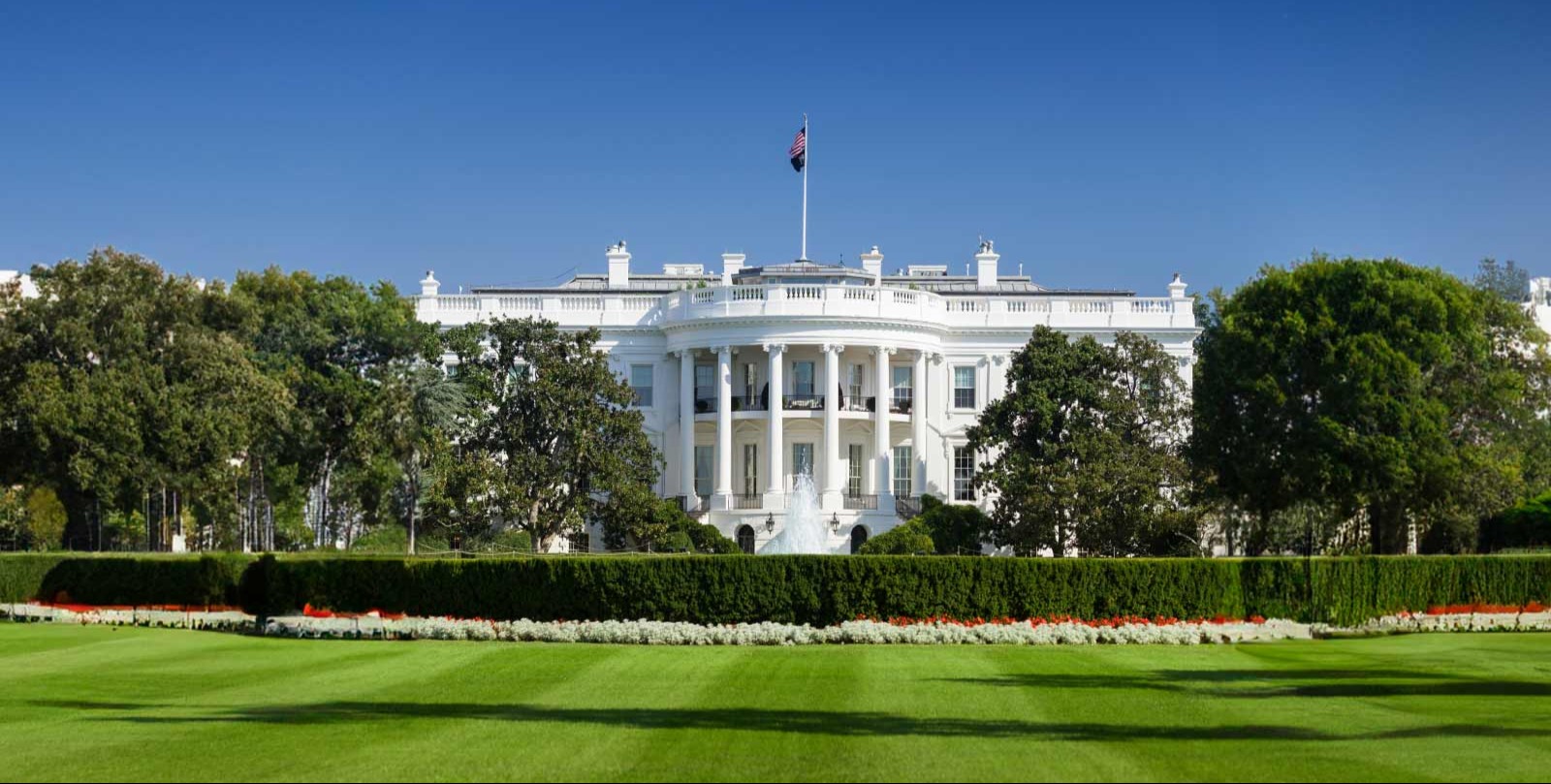

The White House Easter Egg Roll is a cherished tradition that has evolved over the years, becoming a significant event in American culture. This annual event, held on the South Lawn of the White House, is a festive occasion for children and their families. The tradition is believed to have started with Dolley Madison in 1814, and it has grown to include various activities and entertainment.
Early Beginnings
The origins of the White House Easter Egg Roll are somewhat
shrouded in legend. It is said that Dolley Madison, the wife of President James Madison, initiated the event in 1814. However, egg rolling was already a popular custom in Washington, D.C., and Alexandria, Virginia, by the 1850s. Children would roll eggs on Easter Monday at the Capitol, the White House, and other open spaces. By the 1870s, the Capitol had become the most popular location for egg rolling.
In 1876, after a particularly destructive egg roll at the Capitol, Congress passed a law prohibiting the use of the Capitol grounds as a playground. This led to the relocation of the event to the White House lawns in 1878, at the request of President Rutherford B. Hayes and First Lady Lucy Hayes. From then on, the White House Easter Egg Roll became an annual event, with few exceptions.
Changes and Interruptions
Throughout its history, the White House Easter Egg Roll has experienced several interruptions. The event was moved to the Washington Monument in 1917 and canceled from 1918 to 1920 due to food shortages and influenza concerns. World War II and food conservation efforts led to further cancellations from 1943 to 1947. The event was also paused during the restoration of the White House from 1948 to 1952.
More recently, the COVID-19 pandemic led to the cancellation of the event in 2020 and 2021, but it resumed in 2022. Despite these interruptions, the tradition has persisted, adapting to changing circumstances and continuing to bring joy to participants.
Modern Developments
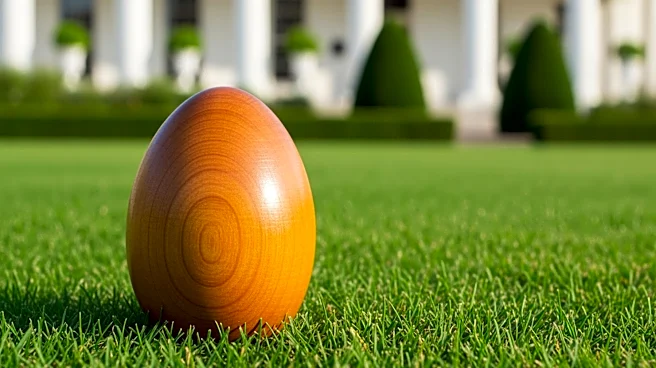
The White House Easter Egg Roll has evolved to include a variety of activities and entertainment. The event traditionally begins with the national anthem and opening remarks by the President and First Lady. Children participate in egg rolling races, using long-handled spoons to push eggs through the grass. Surrounding events include live entertainment, appearances by White House personalities in Easter Bunny costumes, and book readings by cabinet secretaries or celebrity guests.
Since 1977, the American Egg Board has supported the event, and in 2025, the Trump administration announced that companies could sponsor the event with a $200,000 contribution. The White House Easter Egg Roll remains a beloved tradition, reflecting the cultural and historical significance of Easter celebrations in the United States.