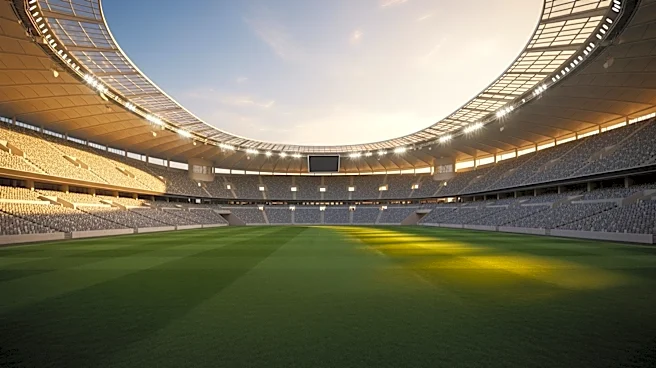







The Estadio Azteca light rail station is a significant part of Mexico City's transportation network, serving as a vital link for residents and visitors alike. Located in the borough of Coyoacán, this station is named after the iconic Azteca Stadium, which it serves. The station is part of the Xochimilco Light Rail and plays a crucial role in connecting various parts of the city, making it an essential hub for daily commuters and sports fans heading
to the stadium.
Location and Accessibility
The Estadio Azteca light rail station is strategically positioned along the median strip of Calzada de Tlalpan, a major thoroughfare in southern Mexico City. This location makes it easily accessible for those traveling from different parts of the city. The station features two island platforms, which facilitate the efficient movement of passengers boarding and alighting from the trains. The design of the station ensures that it is accessible to people with disabilities, making it an inclusive part of the city's public transportation system.
In addition to its accessibility features, the station is conveniently located near the CETRAM Huipulco transportation hub. This proximity allows commuters to connect to various local bus routes, enhancing the station's role as a key transit point. The ongoing construction of a trolleybus system is expected to further improve connectivity, making the Estadio Azteca station an even more integral part of the city's transport infrastructure.
Historical Significance
The Estadio Azteca light rail station opened its doors to the public on August 1, 1986. Since then, it has undergone several renovations to accommodate the growing number of passengers and to prepare for major events such as the 2026 FIFA World Cup. The station's history is marked by its role in providing northward service toward the Tasqueña light rail station, although its southward service toward Tlalpan was discontinued in 1990.
The station's pictogram, which depicts a stylized view of the Azteca Stadium, serves as a reminder of its connection to one of Mexico City's most famous landmarks. Over the years, the station has witnessed various changes and improvements, reflecting the city's commitment to maintaining a modern and efficient public transportation system.
Future Developments
Looking ahead, the Estadio Azteca light rail station is poised to play an even more significant role in Mexico City's transportation network. With the anticipated increase in tourist demand for the 2026 FIFA World Cup, the station has undergone recent renovations to ensure it can handle the expected influx of visitors. These improvements are part of a broader effort to enhance the city's infrastructure and provide a seamless experience for both residents and tourists.
As Mexico City continues to grow and evolve, the Estadio Azteca light rail station will remain a vital component of the city's public transportation system. Its strategic location, accessibility features, and historical significance make it a key player in the ongoing development of Mexico City's urban landscape.