

Aburatorigami, the traditional Japanese facial oil blotting paper, is not only valued for its skincare benefits but also for its environmentally friendly production methods. This article explores the sustainable practices involved in the creation of aburatorigami, highlighting its low environmental impact and the materials used in its production.
Sustainable Materials
The production of aburatorigami is rooted in sustainability, primarily due to the materials used. Traditional
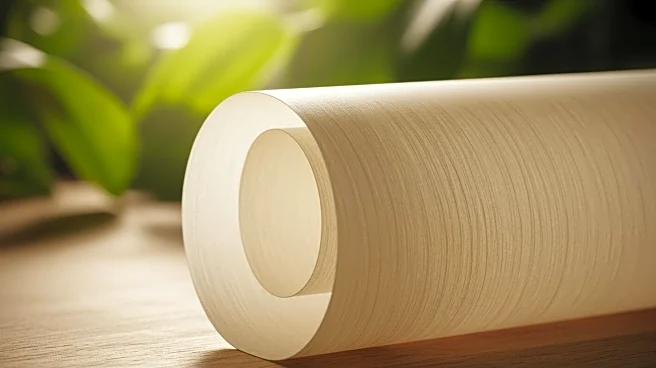
aburatorigami is made from the finest grade of abaca leaf, a plant native to the Philippines. Abaca, also known as Manila hemp, is a highly sustainable resource. The plant is not related to true hemp but is renowned for its strength and durability.
The Philippine Bureau of Fiber and Inspection Service defines a total of 15 grades of abaca, with the highest grades derived from the leaf sheaths closest to the center of the abaca stem. This careful selection ensures that only the best quality fibers are used in the production of aburatorigami, contributing to its effectiveness and longevity.
By-Product of Gold Leaf Production
Aburatorigami's origins as a by-product of the gold leaf production process further enhance its sustainability. In Kyoto, where gold leaf was in high demand during the Heian period, the paper was initially used to protect gold during the goldbeating process. This innovative use of what might otherwise be waste material exemplifies a resourceful approach to production.
The use of aburatorigami as a by-product not only reduces waste but also maximizes the utility of available resources. This practice aligns with traditional Japanese values of minimizing waste and making the most of natural materials.
Environmental Benefits
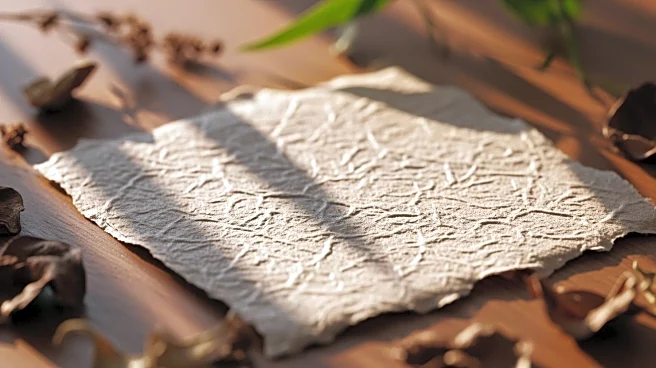
One of the key environmental benefits of aburatorigami is its ability to decompose naturally. After use, the paper can be composted, allowing it to degrade back into the earth without leaving a harmful footprint. This contrasts with many modern skincare products that rely on oil-based chemicals and non-biodegradable materials.
Furthermore, the production of aburatorigami does not involve the use of oil-based chemicals, further reducing its environmental impact. This commitment to natural and sustainable production methods makes aburatorigami an appealing choice for environmentally conscious consumers.
In conclusion, aburatorigami stands out not only for its skincare benefits but also for its sustainable production methods. By utilizing natural materials and minimizing waste, aburatorigami exemplifies a harmonious balance between tradition and environmental responsibility.