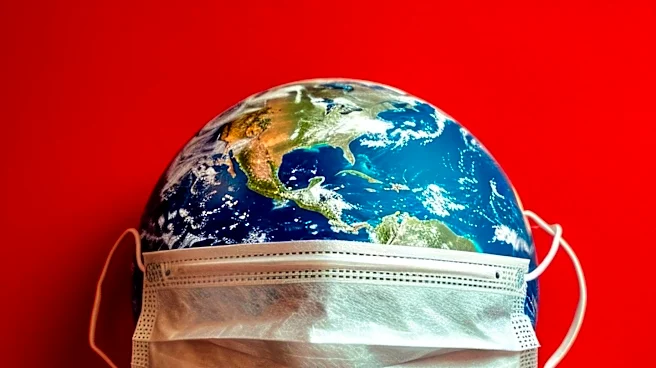




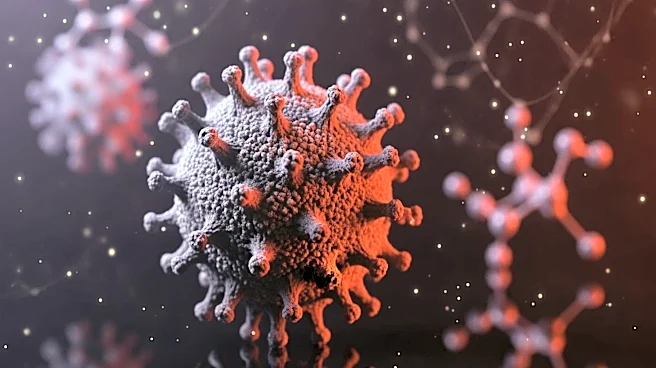
The 2009 swine flu pandemic, caused by the H1N1 virus, was a significant global health event that unfolded over several months. It began in April 2009 and was declared a pandemic by the World Health Organization (WHO) in June of the same year. The pandemic was officially declared over in August 2010. This article explores the timeline of the pandemic, highlighting key events and responses from various countries and health organizations.
Early Stages and Initial Outbreaks
The earliest
cases of the H1N1 virus were reported in the United States in April 2009, with California being one of the first states to identify the virus. By late April, the Centers for Disease Control and Prevention (CDC) had activated its Emergency Operations Center and declared a public health emergency. The World Health Organization followed suit on April 25, declaring a public health emergency of international concern.
As the virus spread, countries around the world began reporting cases. By the end of May, the virus had reached all 50 U.S. states, and the number of confirmed cases was rapidly increasing. The virus was particularly prevalent among young people, with a significant number of cases occurring in individuals between the ages of 5 and 24.
Global Spread and Pandemic Declaration
In June 2009, the WHO declared the H1N1 outbreak a pandemic, marking the first global flu pandemic in over 40 years. The declaration came as the virus continued to spread rapidly across the globe, affecting countries in every continent. The pandemic status prompted countries to implement various public health measures, including vaccination campaigns and travel advisories.
Throughout the summer of 2009, the virus continued to spread, with significant outbreaks reported in countries such as Australia and the United Kingdom. The virus was particularly concerning due to its ability to affect younger populations more severely than typical seasonal flu strains.
Vaccination Efforts and Decline
By October 2009, the first doses of the H1N1 vaccine were administered in the United States. The vaccine rollout was a critical component of the global response to the pandemic, aiming to reduce the spread of the virus and prevent severe cases. Despite initial concerns about vaccine availability, millions of doses were distributed worldwide.
As the year progressed, the number of new cases began to decline. By August 2010, the WHO declared the pandemic over, although the H1N1 virus continued to circulate as a seasonal flu strain. The pandemic had a lasting impact on global public health policies, highlighting the importance of preparedness and rapid response to emerging infectious diseases.