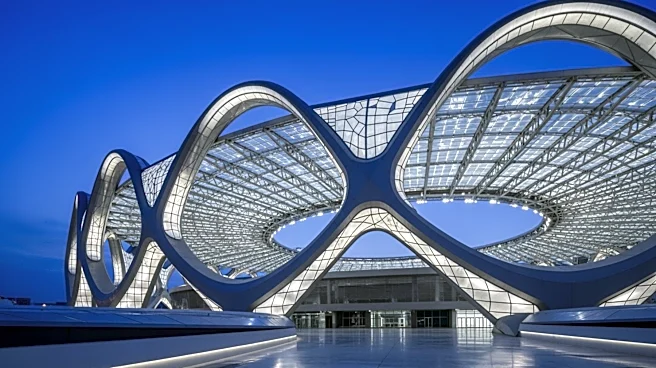








Jeju World Cup Stadium, situated in the scenic city of Seogwipo, South Korea, has played a pivotal role in the world of international football. With its impressive capacity and state-of-the-art facilities, the stadium has hosted several prestigious football events, making it a key player on the global sports stage. This article explores the stadium's contributions to international football.
Hosting the 2002 FIFA World Cup
One of the most significant events in the history of Jeju
World Cup Stadium was its role in the 2002 FIFA World Cup. As one of the 20 venues selected for the tournament, the stadium welcomed teams and fans from around the world. This event marked a milestone for South Korea, as it was the first time the country co-hosted the World Cup, alongside Japan.
The stadium's design and facilities were put to the test during the tournament, and it successfully accommodated thousands of spectators. The event not only showcased the stadium's capabilities but also highlighted South Korea's growing influence in the world of international sports. The successful hosting of the World Cup matches at Jeju World Cup Stadium helped elevate its status as a premier sports venue.
The 2017 FIFA U-20 World Cup
In 2017, Jeju World Cup Stadium once again took center stage as it hosted matches for the FIFA U-20 World Cup. This tournament brought together young talent from across the globe, providing a platform for emerging football stars to showcase their skills. The stadium's modern facilities and strategic location made it an ideal choice for the event.
The U-20 World Cup further solidified Jeju World Cup Stadium's reputation as a versatile venue capable of hosting international events. The tournament attracted a diverse audience, contributing to the local economy and promoting cultural exchange. The successful execution of the event demonstrated the stadium's ability to adapt to different scales and types of football competitions.
A Legacy of Football Excellence
Jeju World Cup Stadium's legacy in international football is marked by its ability to host world-class events and its commitment to providing an exceptional experience for players and fans alike. The stadium's design, inspired by the natural and cultural elements of Jeju Island, adds to its allure, making it a unique destination for sports enthusiasts.
As a hub for international football, Jeju World Cup Stadium continues to attract attention from around the world. Its role in hosting major tournaments has not only elevated its status but also contributed to the global recognition of Jeju Island as a vibrant and culturally rich destination.
In summary, Jeju World Cup Stadium stands as a testament to South Korea's dedication to promoting international sports and cultural exchange. Its continued success in hosting football events ensures its place as a cornerstone of global football.