






Tortillas are more than just a food item in Mesoamerican cultures; they hold deep cultural and social significance. As a staple in the diet of many indigenous peoples, tortillas have played a crucial role in the daily lives and traditions of these communities. From their use in traditional meals to their symbolic meanings, tortillas are an integral part of Mesoamerican heritage.
A Staple in Daily Life
In Mesoamerican societies, tortillas have long been a fundamental part
of daily meals. Made from nixtamalized maize, these flatbreads provided essential nutrients and energy. The process of nixtamalization, which involves soaking maize in an alkaline solution, not only improved the nutritional value of the corn but also made it easier to grind into masa, the dough used to make tortillas.
Tortillas were often consumed with every meal, either plain or accompanied by other foods. In Aztec times, they were commonly eaten with mole, a traditional sauce, or filled with various ingredients like turkey meat, beans, and chili peppers. This versatility made tortillas a practical and essential food item for many Mesoamerican communities.
Symbolic and Social Roles
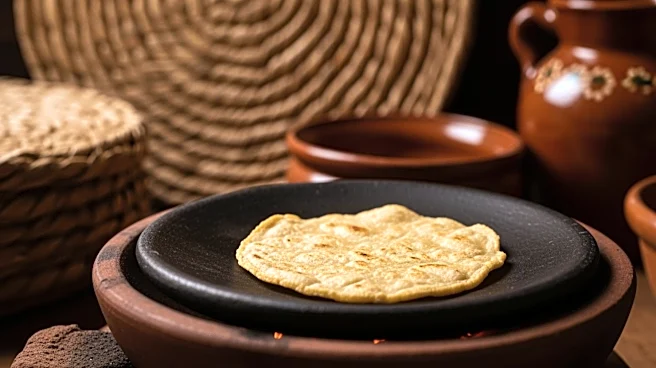
Beyond their nutritional value, tortillas also hold symbolic significance in Mesoamerican cultures. They are often associated with sustenance and life, representing the connection between the people and the land. The process of making tortillas, from grinding the maize to cooking the flatbreads on a comal, is a communal activity that has been passed down through generations.
In many Mesoamerican societies, the preparation and sharing of tortillas are seen as acts of love and hospitality. They are often served during important social gatherings and celebrations, symbolizing unity and togetherness. The tortilla's role in these cultural practices highlights its importance beyond just a source of nourishment.
Modern Cultural Impact
Today, tortillas continue to be a vital part of Mesoamerican culture, both in traditional and modern contexts. They are a key component of many popular dishes, such as tacos, enchiladas, and quesadillas, which have gained international recognition. The cultural significance of tortillas is celebrated in festivals and events that honor their history and role in Mesoamerican cuisine.
As tortillas have spread beyond their Mesoamerican origins, they have also become a symbol of cultural identity for many people of Mexican and Central American descent. Whether enjoyed in traditional dishes or as part of modern culinary creations, tortillas remain a cherished and enduring element of Mesoamerican culture.