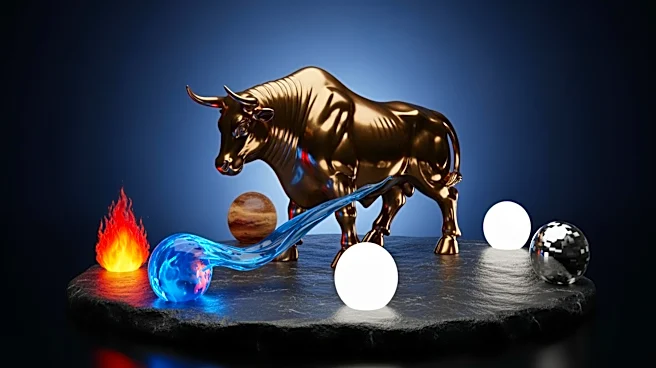

In Chinese astrology, the Ox is not only a symbol of strength and diligence but also intricately linked to the Five Elements: Wood, Fire, Earth, Metal, and Water. This article examines the relationship
between the Ox and these elements, exploring how they influence the characteristics and fortunes of individuals born in different Ox years. Through this lens, we gain a deeper understanding of the Ox's role in Chinese astrology and its impact on personal and cultural identity.
The Five Elements and the Ox
The Five Elements, also known as the Five Phases, are a fundamental concept in Chinese philosophy and astrology. Each element is associated with specific qualities and influences, shaping the characteristics of individuals born under its sign. In the context of the Ox, these elements add a layer of complexity to its astrological significance.
For example, a Wood Ox year might emphasize growth, creativity, and flexibility, while a Fire Ox year could highlight passion, energy, and transformation. An Earth Ox year may focus on stability, practicality, and nurturing, whereas a Metal Ox year might underscore strength, resilience, and determination. Finally, a Water Ox year could bring adaptability, intuition, and emotional depth to the forefront.
The Sixty-Year Cycle
The combination of the Ox with the Five Elements results in a 60-year cycle, where each Ox year is associated with a different element. This cycle reflects the dynamic interplay between the animal and the elements, influencing the fortunes and characteristics of those born in a particular year.
This cyclical nature of the Ox and the Five Elements underscores the interconnectedness of all things in Chinese philosophy. It highlights the belief that individuals are shaped by both their animal sign and the element associated with their birth year, creating a unique astrological profile that influences their personality, relationships, and life path.
Cultural Significance of the Elemental Ox
The relationship between the Ox and the Five Elements extends beyond personal astrology, influencing cultural practices and beliefs. In Chinese culture, the elemental Ox is often celebrated in festivals and rituals, reflecting its significance in shaping cultural identity and values.
For instance, during the Year of the Ox, communities may engage in activities that honor the qualities associated with the specific element of that year. These celebrations serve as a reminder of the Ox's enduring influence and its role in promoting harmony and balance within society.
Overall, the Ox's connection to the Five Elements offers a unique perspective on its astrological significance, highlighting the intricate interplay between animal signs and elemental forces. This relationship enriches our understanding of the Ox's role in Chinese astrology and its impact on personal and cultural identity.