





Rostov Arena stands as a modern architectural marvel in Rostov-on-Don, Russia. With a seating capacity of 45,000, it was one of the key venues for the 2018 FIFA World Cup. Beyond its role in the global sporting event, the arena has become a significant landmark in the city, influencing its development and cultural landscape.
A Venue for the World Stage
Rostov Arena was constructed to host matches during the 2018 FIFA World Cup, a prestigious event that brought international attention
to Rostov-on-Don. The stadium hosted five games during the tournament, showcasing its state-of-the-art facilities and design. The World Cup matches held at Rostov Arena included notable teams and drew large crowds, highlighting the stadium's capacity to accommodate major international events.
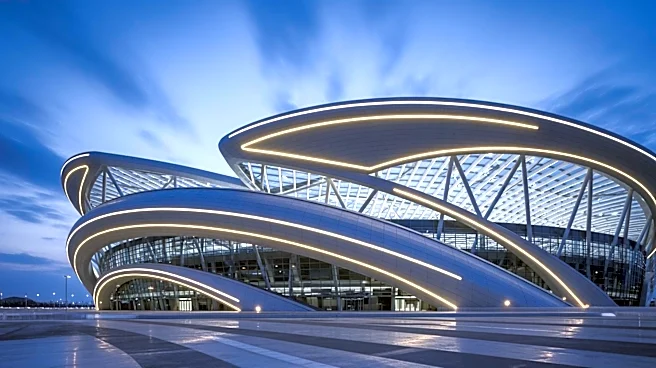
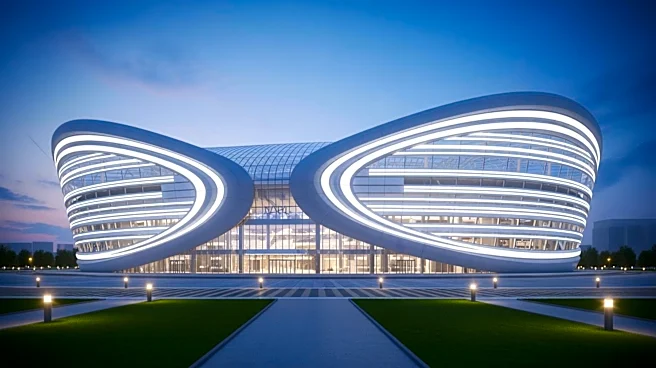
The arena's design, presented by the architectural firm Populous in 2011, features an irregular shape for both the roof and stands, making it a distinctive structure. Part of the seating was temporary, specifically for the World Cup, with plans to reduce the capacity to 42,000 after the tournament. This adaptability reflects the stadium's role in both international and local sporting events.
Impact on Rostov-on-Don
The construction of Rostov Arena marked the beginning of a new era for Rostov-on-Don. It was the first large project built on the southern bank of the Don River, with the rest of the city lying to the north. This development is seen as the start of a new city center, contributing to the urban expansion and modernization of Rostov-on-Don.
The arena's presence has also boosted the local economy, attracting tourists and sports enthusiasts from around the world. It has become a venue for not only football matches but also other sporting and cultural events, enhancing the city's cultural offerings and providing a platform for community engagement.
A Legacy Beyond the World Cup
After the 2018 FIFA World Cup, Rostov Arena continues to serve as the home ground for FC Rostov, a team in the Russian Premier League. It also hosts selected matches for the Russia national football team, further cementing its status as a premier sports venue in the country.
The arena's influence extends beyond sports, as it hosts various cultural events, contributing to the vibrant cultural scene in Rostov-on-Don. As a modern landmark, Rostov Arena symbolizes the city's growth and its aspirations to be a hub for international events and cultural exchange. Its construction and continued use reflect the dynamic evolution of Rostov-on-Don, making it a key player in the city's future development.