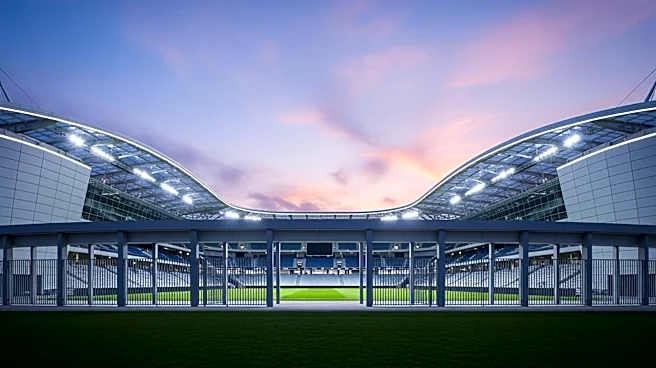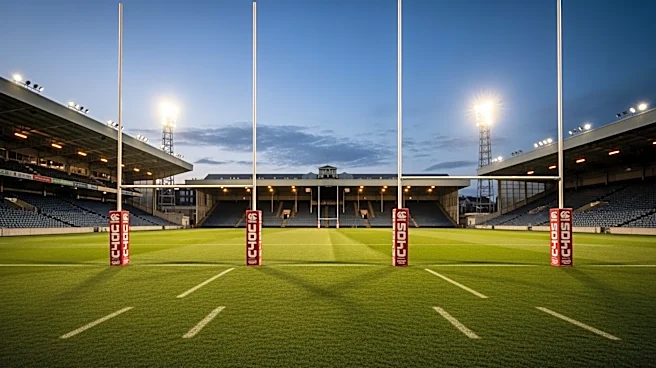

The 1998 FIFA World Cup was a landmark event in the world of soccer, and Stadium de Toulouse played a significant role in this global spectacle. Located in the city of Toulouse, France, this stadium was one
of the venues that hosted matches during the tournament. Built in 1937 and renovated in 1997, the stadium was well-prepared to welcome fans and players from around the world. This article explores the importance of Stadium de Toulouse during the 1998 FIFA World Cup and its impact on the tournament.
A Historic Venue
Stadium de Toulouse has a rich history, having been constructed in 1937. Its long-standing presence in the city made it a familiar landmark for locals and a symbol of Toulouse's sporting culture. The stadium underwent significant renovations in 1997, just in time for the World Cup, ensuring it met the standards required for hosting international matches. These renovations included updates to seating, facilities, and the playing field, making it a modern venue capable of accommodating large crowds.
During the 1998 FIFA World Cup, Stadium de Toulouse hosted six matches, providing a stage for some of the world's best soccer teams to showcase their skills. The stadium's capacity and updated facilities made it an ideal location for these high-stakes games, contributing to the overall success of the tournament.
The Matches at Stadium de Toulouse
The matches held at Stadium de Toulouse were crucial to the progression of the tournament. Each game brought excitement and drama, with teams competing fiercely for a place in the next round. The stadium's atmosphere, filled with passionate fans, added to the intensity of the matches, creating memorable moments for players and spectators alike.
The venue's role in the World Cup was not just about the matches themselves but also about the experience it provided to fans. The stadium's location in the vibrant city of Toulouse allowed visitors to enjoy the local culture, cuisine, and hospitality, enhancing their overall World Cup experience.
Legacy of the 1998 World Cup
The 1998 FIFA World Cup left a lasting legacy on Stadium de Toulouse and the city itself. The tournament brought international attention to Toulouse, highlighting its capacity to host major sporting events. The successful hosting of World Cup matches demonstrated the city's organizational capabilities and its passion for soccer.
The renovations made to the stadium in preparation for the World Cup have continued to benefit the city, allowing it to host other significant events, such as the 2007 Rugby World Cup. The stadium remains a key part of Toulouse's sporting infrastructure, serving as a reminder of the city's contribution to one of the most celebrated World Cups in history.