







Empty nest syndrome is a common experience for many parents when their children leave home, but it can affect men and women differently. While both genders may experience feelings of loss and loneliness, societal expectations and gender roles can influence how they cope with these emotions. This article examines the gender dynamics of empty nest syndrome and how it impacts men and women.
Women's Experience with Empty Nest Syndrome
Women, particularly those who have been primary caregivers, are often
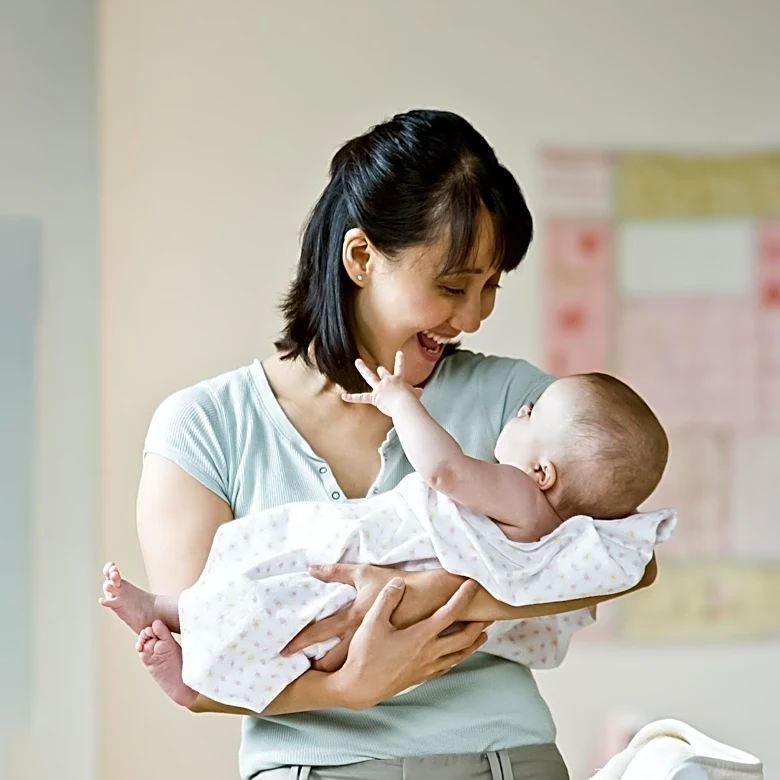
more likely to experience empty nest syndrome. This is partly due to societal expectations that women should be nurturing and involved in their children's lives. As a result, many women may feel a profound sense of loss when their children leave home, as their identity and daily routines have been closely tied to their role as a mother.
Research has shown that women are more likely to be prescribed psychotropic medications, such as antidepressants, during this transitional period. This trend is particularly evident among women aged 45 to 55, who may also be experiencing other life changes, such as menopause. The combination of these factors can contribute to feelings of depression and anxiety, making it more challenging for women to adjust to their new reality.
Men's Experience with Empty Nest Syndrome
While men are generally less likely to report experiencing empty nest syndrome, they are not immune to its effects. Some fathers may feel unprepared for the emotional transition that comes with their children leaving home. This can be particularly true for men who have not been as involved in their children's lives or who have focused primarily on their careers.
Men may also experience feelings of guilt over missed opportunities to connect with their children before they left home. These emotions can lead to a sense of regret and a desire to make amends, which can be challenging to navigate. Additionally, men may struggle with societal expectations that they should be stoic and unemotional, making it difficult for them to express their feelings and seek support.
Addressing Gender Differences in Coping
Understanding the gender dynamics of empty nest syndrome can help parents develop effective coping strategies. For women, finding new ways to engage with their interests and passions can provide a sense of purpose and fulfillment. Building a support network of friends and family can also be beneficial, as it allows women to share their experiences and emotions.
For men, acknowledging their feelings and seeking support can be crucial in navigating this transition. Encouraging open communication with their partners and children can help men process their emotions and strengthen their relationships. By addressing these gender differences, parents can better cope with the challenges of empty nest syndrome and embrace new opportunities in their lives.