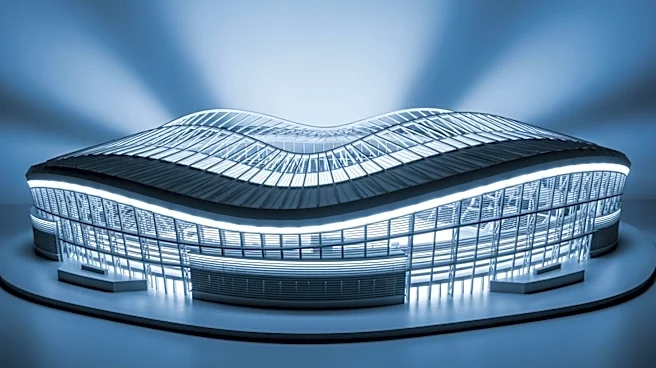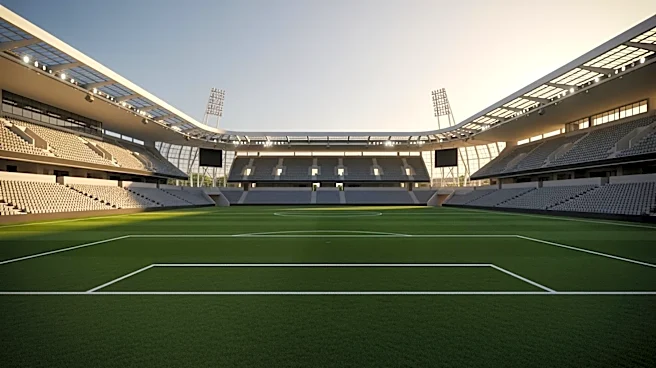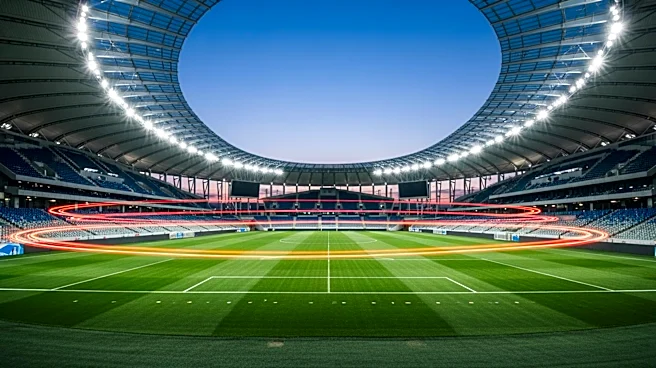








Mbombela Stadium, located in Nelspruit, South Africa, has played a significant role in the world of international sports. Built for the 2010 FIFA World Cup, the stadium has since become a key venue for various sporting events. With a seating capacity of 43,500, it is well-equipped to host large crowds and has become a central hub for sports in the region.
2010 FIFA World Cup
The 2010 FIFA World Cup was a landmark event for South Africa, and Mbombela Stadium was one of
the key venues. Hosting a World Cup match was a significant achievement for the stadium, putting it on the global stage. The event brought international attention to Nelspruit and showcased the stadium's capabilities in handling large-scale events.
The World Cup was not only a sporting event but also a cultural celebration. Mbombela Stadium's unique design, featuring giraffe-shaped roof supports and zebra-striped seats, added to the festive atmosphere. The stadium's architecture became a talking point, highlighting South Africa's ability to blend modern infrastructure with cultural elements.
Post-World Cup Events
Following the World Cup, Mbombela Stadium continued to host international sports events. In 2012, it was the venue for a friendly match, further cementing its status as a premier sports location. The stadium's facilities and design make it an attractive choice for organizers looking to host events in South Africa.
The stadium's ability to host international events has had a positive impact on the local economy. It has attracted visitors from around the world, boosting tourism and providing opportunities for local businesses. The continued use of the stadium for international events ensures that it remains a vital part of the region's sports infrastructure.
Community and Cultural Impact
Beyond sports, Mbombela Stadium has become a cultural hub for the community. Its unique design and role in hosting international events have made it a source of pride for locals. The stadium has helped put Nelspruit on the map, attracting visitors who are eager to experience its architectural beauty and vibrant atmosphere.
The legacy of Mbombela Stadium is one of success and cultural celebration. It stands as a testament to South Africa's ability to host world-class events while showcasing its rich cultural heritage. The stadium continues to be a source of pride for the region, symbolizing the successful blend of modern architecture with traditional elements.