
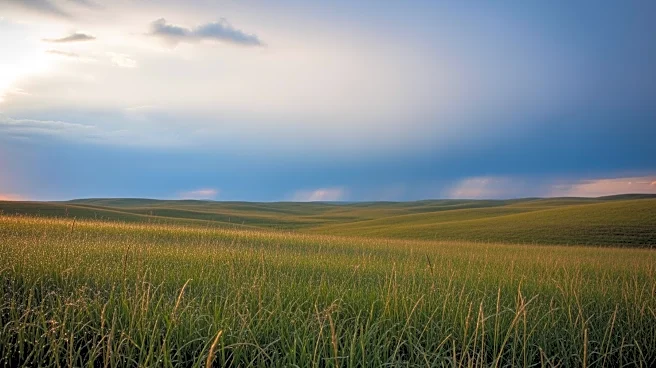


Conservation biology is often described as a "discipline with a deadline" due to the pressing need to address the rapid decline of biodiversity worldwide. This field of study is dedicated to understanding and mitigating the factors that threaten the survival of species and ecosystems. As the planet faces unprecedented rates of species extinction and habitat loss, conservation biologists are racing against time to develop effective strategies for preserving
Earth's biological diversity.
The Biodiversity Crisis
The urgency of conservation biology stems from alarming estimates that suggest up to 50% of all species on the planet could disappear within the next 50 years. This potential loss of biodiversity poses significant risks to human well-being, as it threatens the ecosystem services that support life on Earth. These services include pollination, nutrient cycling, and climate regulation, all of which are essential for sustaining human societies.
Conservation biologists are particularly concerned with the phenomena that affect the maintenance, loss, and restoration of biodiversity. They study the population ecology of rare or endangered species, focusing on factors such as dispersal, migration, and minimum population viability. By understanding these dynamics, researchers can develop strategies to prevent further declines and promote the recovery of threatened species.
Interdisciplinary Approaches
To address the complex challenges of biodiversity conservation, conservation biology draws on a wide range of scientific disciplines, including ecology, genetics, and social sciences. This interdisciplinary approach allows researchers to tackle the multifaceted issues that contribute to biodiversity loss, such as habitat destruction, climate change, and overexploitation of natural resources.
Conservation biologists also recognize the importance of engaging with local communities and stakeholders in conservation efforts. By incorporating social and economic considerations into their strategies, they aim to develop solutions that are both effective and sustainable. This holistic approach is essential for addressing the root causes of biodiversity loss and ensuring the long-term success of conservation initiatives.
Future Directions
As the field of conservation biology continues to evolve, researchers are exploring new tools and technologies to enhance their efforts. Advances in remote sensing, genetic analysis, and data modeling are providing valuable insights into the distribution and status of species and ecosystems. These innovations are helping conservation biologists to identify priority areas for protection and to monitor the effectiveness of conservation interventions.
Despite the challenges, there is hope that concerted global efforts can slow or reverse the current trends in biodiversity loss. By fostering collaboration among scientists, policymakers, and the public, conservation biology aims to create a more sustainable future for all living organisms. The discipline's commitment to addressing the biodiversity crisis underscores the critical importance of preserving the planet's natural heritage for future generations.