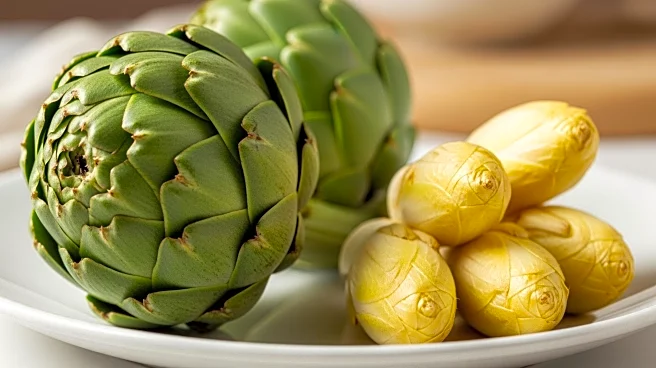




Prebiotics are an essential component of nutrition that play a significant role in maintaining a healthy gut microbiome. Unlike probiotics, which are live microorganisms, prebiotics are compounds that promote the growth of beneficial bacteria in the gut. These compounds are primarily composed of fibers such as oligosaccharides and carbohydrates, which are not digested by the human body but instead serve as food for the beneficial bacteria residing
in the intestines.
The Science Behind Prebiotics
Prebiotics are primarily made up of oligosaccharides and carbohydrates, including fructooligosaccharides, galactooligosaccharides, xylooligosaccharides, and mannose oligosaccharides. These substances are not broken down by the digestive enzymes in the human body. Instead, they reach the colon intact, where they are fermented by the gut microbiota. This fermentation process results in the production of short-chain fatty acids, which have various health benefits, including modulating immune responses in the gut.
The presence of prebiotics in the diet helps regulate the growth of beneficial microbial organisms, known as commensal bacteria, in the intestine. These bacteria play a crucial role in maintaining gut health by preventing the colonization of harmful pathogens, aiding in digestion, and supporting the immune system. By promoting the growth of these beneficial bacteria, prebiotics contribute to a balanced gut microbiome, which is essential for overall health.
Health Benefits of Prebiotics
The consumption of prebiotics has been associated with several health benefits. One of the primary advantages is their ability to enhance the immune system. By modulating immune responses in the gut, prebiotics help in maintaining a healthy balance between anti-inflammatory and pro-inflammatory responses. This balance is crucial in preventing chronic inflammation, which is linked to various diseases, including autoimmune disorders and allergies.
Moreover, prebiotics have been shown to improve digestive health by increasing the production of beneficial bacteria such as Bifidobacteria and Lactobacilli. These bacteria aid in the digestion of food, absorption of nutrients, and production of essential vitamins. Additionally, prebiotics can help alleviate symptoms of digestive disorders such as irritable bowel syndrome (IBS) by promoting a healthy gut environment.
Incorporating Prebiotics into Your Diet
Incorporating prebiotics into your diet can be achieved by consuming foods rich in these compounds. Foods such as bananas, onions, garlic, asparagus, and whole grains are excellent sources of prebiotics. Including these foods in your daily diet can help maintain a healthy gut microbiome and support overall well-being.
For those who may not get enough prebiotics from their diet, supplements are available. However, it is essential to consult with a healthcare professional before starting any supplement regimen. By understanding the role of prebiotics and incorporating them into your diet, you can take a proactive approach to maintaining a healthy gut and overall health.