







The waistcoat, or vest, is a garment with a rich cultural history that varies significantly across different regions. While it is a staple of formal wear in many Western countries, its meaning and use can differ widely depending on cultural context. This article explores the cultural significance of the waistcoat in various regions, highlighting its diverse roles and interpretations.
The Waistcoat in Western Fashion
In Western fashion, the waistcoat is primarily associated with formal
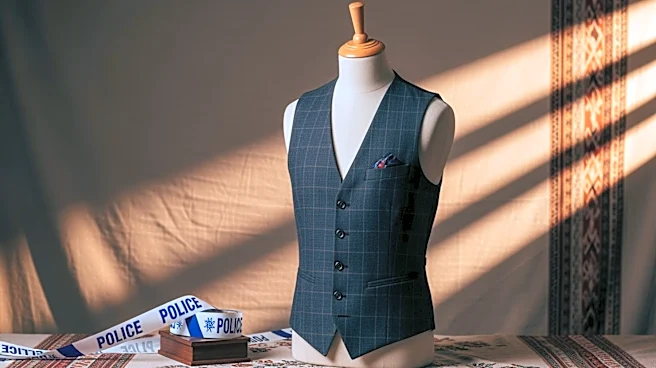
attire. It is a key component of the three-piece suit, often worn over a dress shirt and under a coat. In the United Kingdom, the waistcoat is an essential part of morning dress and is traditionally worn in contrasting colors such as buff or dove gray. For evening wear, the waistcoat is typically black or white, matching the tie.
The waistcoat's role in Western fashion extends beyond formal occasions. It is also popular in casual settings, particularly within subcultures like indie and steampunk. In these contexts, the waistcoat is often styled in unique ways, reflecting personal expression and creativity. This versatility has helped the waistcoat maintain its relevance in contemporary fashion.
Regional Variations and Terminology
The terminology and perception of the waistcoat vary across regions. In the United States and Canada, the garment is commonly referred to as a vest. This term is derived from the French "veste," meaning jacket or sport coat. In contrast, the term "waistcoat" is used in the United Kingdom and many Commonwealth countries.
In European countries, the term "vest" often refers to an undershirt or athletic vest, highlighting the differences in regional terminology. In India, the banyan, a traditional garment, is sometimes called a vest in Indian English. These variations in terminology reflect the diverse cultural contexts in which the waistcoat is worn.
The Waistcoat's Global Influence
The waistcoat's influence extends beyond Western fashion, impacting global clothing trends. In the 17th and 18th centuries, French fashion, including the waistcoat, was a dominant influence in European royal courts. Spanish royals and nobility incorporated the waistcoat into their attire, reflecting the garment's widespread appeal.
Today, the waistcoat continues to be a symbol of elegance and sophistication in many cultures. Its ability to adapt to different styles and settings has ensured its place in the global fashion landscape. Whether worn as part of a formal suit or as a statement piece in casual attire, the waistcoat remains a versatile and culturally significant garment.