


Body lotion has come a long way from its humble beginnings as a simple moisturizer. Initially designed to hydrate and soften the skin, body lotions have evolved into complex formulations that serve multiple purposes. This transformation reflects changes in consumer needs and advancements in cosmetic science. Today, body lotions not only moisturize but also offer protective, cosmetic, and medicinal benefits, making them an essential part of personal
care routines.
Early Beginnings
The concept of moisturizing the skin dates back centuries, with various cultures using natural oils and fats to keep skin supple. However, the modern body lotion as we know it began to take shape with the development of emulsions—mixtures of oil and water. These emulsions allowed for a smoother application and better absorption, paving the way for the lotions we use today.
Initially, lotions were primarily used for their moisturizing properties. They were applied to unbroken skin to prevent dryness and maintain softness. The low viscosity of lotions made them easy to spread over large areas, a feature that distinguished them from thicker creams and ointments.
Expansion of Functions
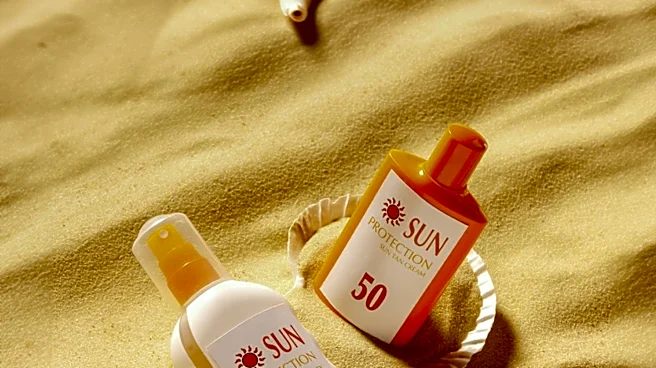
As cosmetic science advanced, the role of body lotion expanded beyond simple hydration. Manufacturers began incorporating ingredients that offered additional benefits, such as sun protection, anti-aging effects, and fragrance. This shift was driven by consumer demand for products that could address multiple skin concerns simultaneously.
The inclusion of medicinal ingredients also became more common. Dermatologists started prescribing lotions containing antibiotics, antifungals, and corticosteroids to treat various skin conditions. This development highlighted the versatility of lotions as a delivery system for active ingredients, further broadening their scope of use.
Modern Innovations
Today, body lotions are sophisticated products that cater to diverse needs. They are formulated with advanced ingredients like non-comedogenic agents to prevent acne, and emulsifiers to enhance texture and absorption. The production process itself has become more refined, with precise control over the oil-water balance to achieve the desired sensory properties.
Cosmetic lotions now often include anti-aging compounds, prompting regulatory scrutiny over claims made by manufacturers. Despite these challenges, the industry continues to innovate, offering lotions that promise to modify the appearance and feel of the skin in various ways.
The evolution of body lotion reflects broader trends in the cosmetic industry, where products are increasingly expected to deliver multiple benefits. As consumer expectations continue to rise, body lotions will likely undergo further transformations, adapting to new scientific discoveries and market demands.