







NASCAR's Drive for Diversity program has been a significant force in promoting inclusivity within the sport. This article provides a historical overview of the program, tracing its origins, evolution, and impact on NASCAR.
Origins of the Program
The Drive for Diversity program was officially launched in 2004 by NASCAR marketing executives. The initiative aimed to attract minority and female individuals to the sport, which had been historically dominated by white males. The program sought
to diversify not only the driver lineup but also ownership, sponsorship, and crew member roles.
The need for such a program was driven by several factors, including the high costs of auto racing and the overt racism that had plagued the sport. NASCAR's roots in the South contributed to its slow racial integration compared to other major sports. The presence of Confederate flags at tracks further highlighted the need for change. The Drive for Diversity program was a response to these challenges, aiming to create a more inclusive environment within NASCAR.
Evolution and Structure
Since its inception, the Drive for Diversity program has evolved to include a comprehensive development system. Applicants are required to submit resumes, which are reviewed by NASCAR officials. The program is structured similarly to a driver development program, with participants progressing through minor-league and regional racing levels.
The program's structure has been refined over the years to address initial shortcomings. Early classes faced challenges such as inadequate funding and the age of participants. In response, NASCAR revamped the program, hiring Max Siegel to lead the initiative. Under his leadership, the program has seen significant improvements, including the establishment of Rev Racing to train selected drivers in an academy-like setting.
Impact on NASCAR
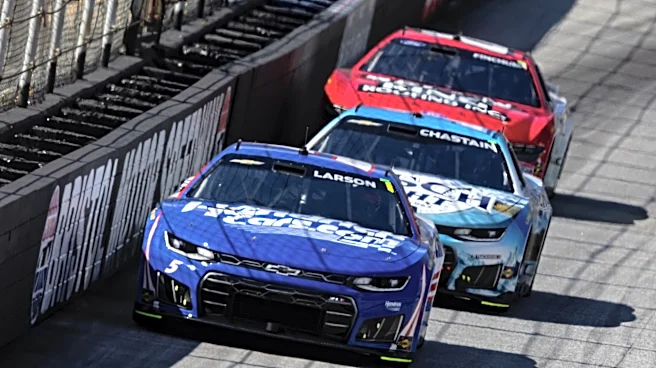
The Drive for Diversity program has had a notable impact on NASCAR, although its overall effect has been gradual. The program has successfully introduced minority and female drivers to the sport, with several graduates moving on to compete in NASCAR's national series. Notable alumni include Kyle Larson, Bubba Wallace, and Daniel Suárez, who have all achieved success at the national level.
Despite these achievements, the program continues to face challenges, particularly in securing sponsorship for its graduates. However, the initiative has helped to change perceptions of NASCAR as an all-white, non-inclusive institution. By promoting diversity, the program has contributed to broadening the sport's fan base and creating new opportunities for underrepresented groups.
In conclusion, NASCAR's Drive for Diversity program has played a crucial role in promoting inclusivity within the sport. Through its comprehensive development system and commitment to diversity, the program continues to make a positive impact on NASCAR and its future.