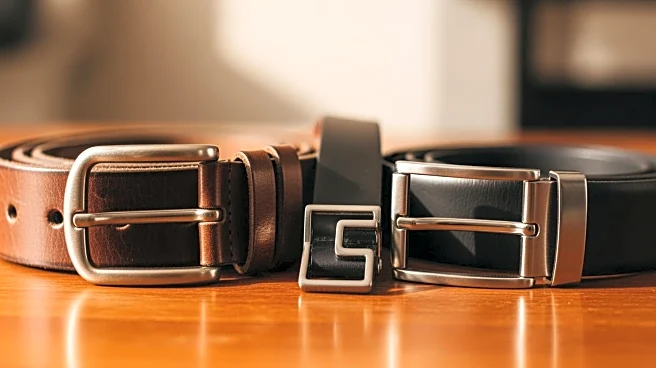


Belts have been a staple in human attire for centuries, serving both practical and aesthetic purposes. Initially designed to hold clothing in place, belts have evolved into significant fashion accessories. This article delves into the historical journey of belts, highlighting their transformation from utilitarian objects to symbols of style and status.
Early Uses and Practicality
Belts have been documented as male clothing since the Bronze Age, primarily serving practical purposes.
They were used to secure clothing, such as trousers and skirts, and to carry objects like tools and weapons. The design of belts allowed them to hold garments in place by friction and compression, taking advantage of the body's natural contours.
In the military, belts played a crucial role in uniforms, especially among officers. During the latter half of the 19th century, belts were used to support sabers and emphasize a trim physique. This was achieved by cinching the waist tightly, often with the aid of a corset, to accentuate wide shoulders and a pouting chest. Such practices were common in Eastern European armed forces, including Prussia and Tsarist Russia.
Transition to Fashion Accessories
The transition of belts from purely functional items to fashion accessories began in the early 20th century. As trouser waists fell to a lower line, belts became more popular among men, serving both decorative and practical purposes. The introduction of belt loops in trousers further cemented their role in everyday attire.
Belts also became associated with various subcultures, such as punk rock and heavy metal, where studded belts and bullet belts were worn as symbols of rebellion and style. The design of belt buckles evolved, ranging from simple finishes to elaborate decorations, allowing belts to become a canvas for personal expression.
Modern Belts and Their Cultural Impact
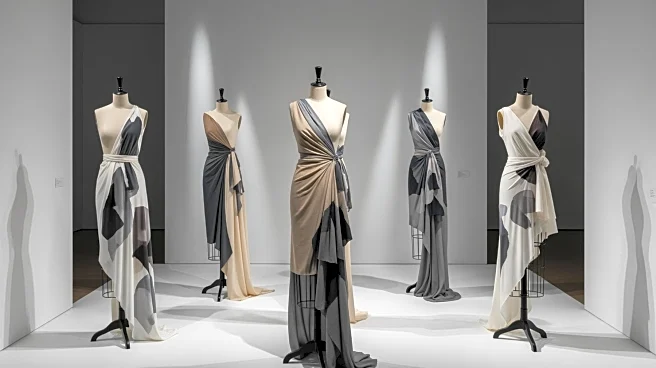
Today, belts are integral to fashion, with a wide array of styles, materials, and designs available. They are used to define or accentuate the waist in dresses, robes, and jumpsuits, serving more as a fashion statement than a necessity. The breadth of belts worn with such garments is not limited by belt loops, allowing for creativity in design.
Belts have also been used as symbols of authority and discipline, particularly in the context of corporal punishment. However, modern society discourages such practices, focusing instead on the aesthetic and functional aspects of belts.
In conclusion, belts have undergone a significant transformation over the centuries. From their origins as practical items to their current status as fashion accessories, belts continue to play a vital role in personal style and cultural expression.