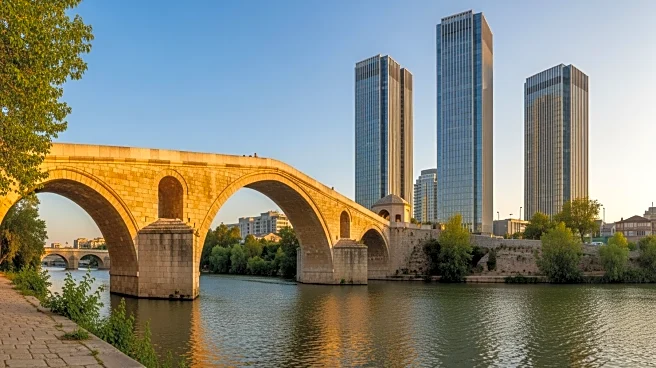




Luxembourg City stands as a testament to the harmonious blend of history and modernity. As the capital of Luxembourg, it offers a unique mix of ancient fortifications and contemporary architecture, making it a fascinating destination for tourists. This article explores the city's historical significance and its modern attractions, highlighting why it is a must-visit location.
Historical Significance
Luxembourg City is renowned for its historical sites, particularly its UNESCO-listed
fortifications. These fortifications, which line the steep valley, are a reminder of the city's strategic importance throughout history. The Bock Casemates, a network of underground tunnels, are among the most popular attractions, drawing thousands of visitors each year. These tunnels were originally part of the city's defenses and offer a glimpse into Luxembourg's military past.
The old town of Luxembourg City is a treasure trove of historical landmarks. Within walking distance, visitors can explore the Grand Ducal Palace, the neogothic Cathedral of Notre Dame, and the Place Guillaume II with the City Hall. Each site offers a unique insight into the city's rich heritage and architectural evolution.
Modern Attractions
In addition to its historical sites, Luxembourg City is a thriving modern metropolis. It is an important European and financial center, home to imposing modern buildings that house various institutions and agencies of the European Union. The Kirchberg Plateau, in particular, is a hub of financial activity, with an impressive array of banks and business centers.
The city also boasts cultural developments such as the Museum of Modern Art and the Philharmonie concert hall. These venues host a variety of events and exhibitions, showcasing contemporary art and music. The vibrant cultural scene adds to the city's appeal, attracting visitors interested in both history and modernity.
A Growing Tourist Destination
Luxembourg City has seen a resurgence in tourism, with the Luxembourg City Tourist Office reporting an increase in visitors. In 2011, the city welcomed over 400,000 tourists between January and August, marking a 6.38% increase over the previous year. This growth is a testament to the city's ability to attract visitors with its unique blend of attractions.
The city's accessibility, with excellent road, rail, and air connections, makes it an ideal destination for international travelers. Whether visiting for business or leisure, Luxembourg City offers a diverse range of experiences, from exploring historical sites to enjoying modern cultural events.