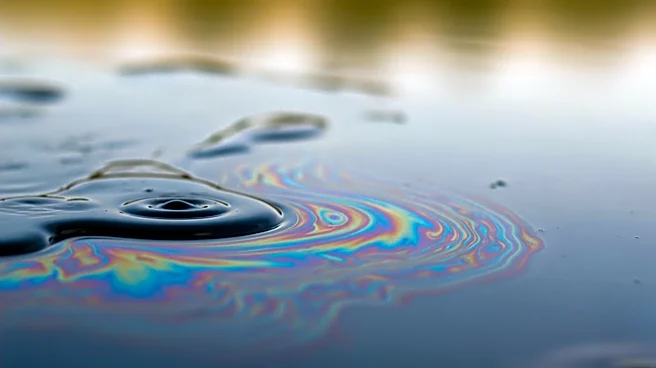






Oil spills present significant challenges for cleanup and recovery efforts. The complexity of these operations depends on various factors, including the type of oil spilled, water temperature, and the affected shorelines. Understanding the methods and challenges involved in oil spill cleanup is crucial for developing effective response strategies.
Physical and Chemical Cleanup Methods
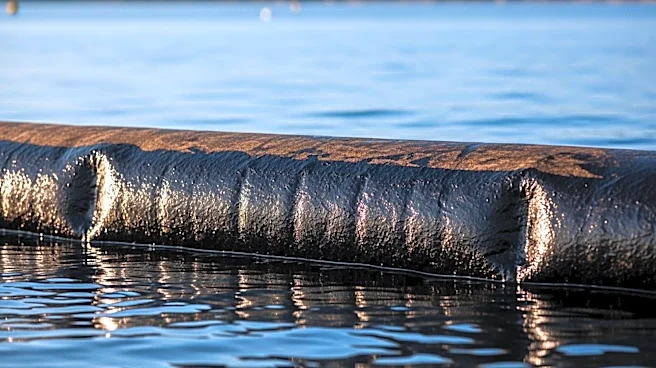
Physical cleanup methods involve the use of equipment such as booms, skimmers, and sorbents to contain
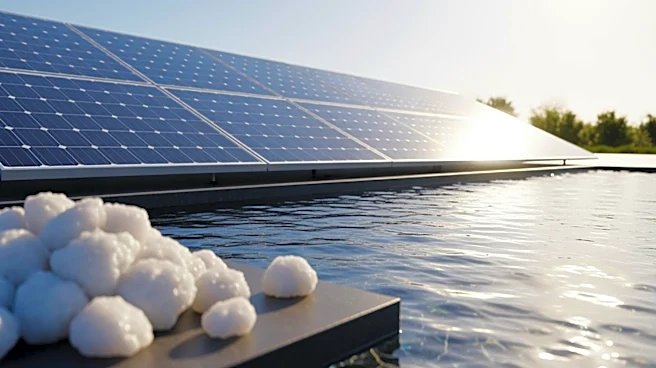
and remove oil from the water. Booms are large floating barriers that round up oil, while skimmers are used to skim the oil off the water's surface. Sorbents absorb oil and adsorb small droplets, aiding in the cleanup process.
Chemical agents are also employed to break down oil and facilitate its removal. Dispersants can be deployed from boats, planes, and underwater vehicles to disperse oil in the water, making it easier to manage. Chemical remediation has become the norm, with compounds used to herd and thicken oil for physical recovery or facilitate burning the oil off.
Biological and Innovative Techniques
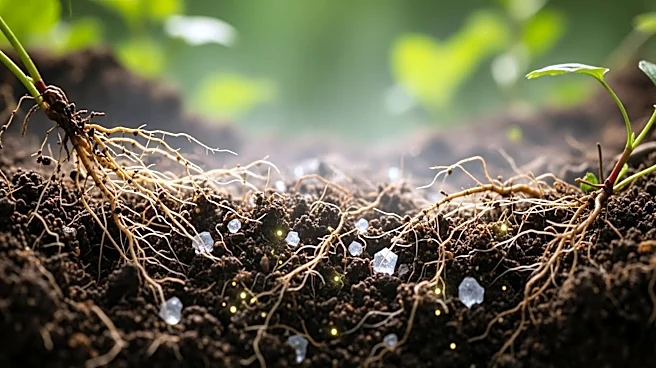
Bioremediation is an innovative approach to oil spill cleanup, utilizing microorganisms to degrade oil slicks. Bacteria such as Fusobacteriota have shown potential for colonizing and degrading oil on the sea surface. These oil-consuming bacteria occur naturally and can replace other populations in the food chain, aiding in the recovery process.
Research into biomimetic methods, inspired by oil bees, has led to the development of textiles with oleophilic properties. These textiles can be used to remove oil from seawater, offering a promising solution for future cleanup efforts. The adaptation of natural mechanisms for oil recovery highlights the potential for innovative approaches in addressing oil spills.
Challenges and Future Directions
Oil spill cleanup is a complex and expensive process, often taking weeks, months, or even years to complete. The effectiveness of cleanup efforts depends on various factors, including the type of oil spilled and the environmental conditions. The future of oil cleanup technology lies in the continued development of innovative methods and the use of microorganisms for bioremediation.
Despite advancements in cleanup techniques, prevention remains the most effective strategy for minimizing the impact of oil spills. By understanding the challenges and methods involved in oil spill cleanup, we can better prepare for and respond to future incidents, protecting both the environment and the economy.