





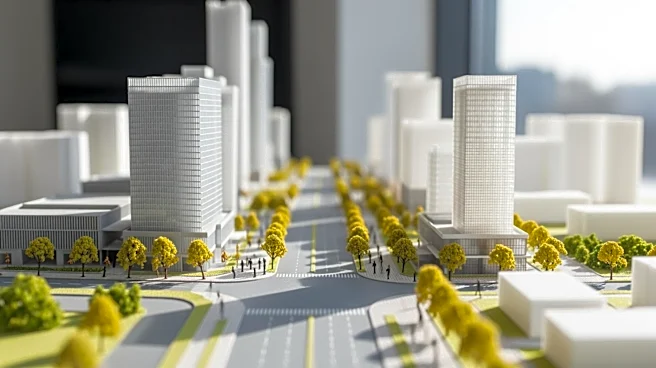
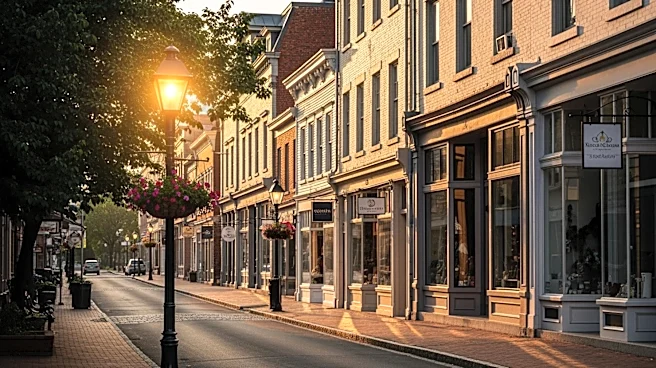
Urban planners play a crucial role in the development and management of urban environments, ensuring that cities are livable, sustainable, and well-organized. These professionals are responsible for a wide range of tasks, from designing city layouts to implementing policies that address social, economic, and environmental challenges. This article examines the responsibilities of urban planners and their impact on the cities we live in.
Responsibilities of Urban Planners
Urban planners
are tasked with creating and implementing plans that guide the growth and development of cities. They work on various aspects of urban planning, including land use, transportation, infrastructure, and environmental sustainability. By considering factors such as population growth, economic development, and environmental conservation, urban planners help shape cities that are both functional and aesthetically pleasing.
One of the primary responsibilities of urban planners is to develop comprehensive plans that outline the long-term vision for a city. These plans serve as a blueprint for future development, ensuring that land is used efficiently and that infrastructure is developed in a way that supports the needs of the community. Urban planners also work closely with government officials, developers, and community members to ensure that their plans align with the goals and values of the community.
Impact on Urban Environments
The work of urban planners has a significant impact on the quality of life in urban environments. By designing cities that are well-organized and efficient, urban planners help create spaces that are conducive to economic growth and social interaction. They also play a key role in promoting environmental sustainability by implementing policies that reduce pollution, conserve natural resources, and protect green spaces.
Urban planners are also responsible for addressing social issues within cities, such as affordable housing, public transportation, and access to essential services. By developing policies that promote equity and inclusivity, urban planners help ensure that all residents have access to the resources they need to thrive. This holistic approach to urban planning helps create cities that are not only functional but also vibrant and diverse.
Challenges and Future Directions
Despite their important role, urban planners face numerous challenges in their work. Rapid urbanization, climate change, and limited resources are just a few of the issues that urban planners must navigate as they work to create sustainable and livable cities. Additionally, urban planners must balance the needs and interests of various stakeholders, including government officials, developers, and community members.
Looking to the future, urban planners will need to continue adapting to the changing needs of cities and their residents. This may involve embracing new technologies, such as smart city solutions, and developing innovative strategies to address emerging challenges. By staying at the forefront of urban planning, these professionals can help shape cities that are resilient, sustainable, and inclusive.
In conclusion, urban planners play a vital role in shaping the cities we live in. Their work impacts every aspect of urban life, from the layout of streets and buildings to the policies that govern land use and development. As cities continue to grow and evolve, the expertise and vision of urban planners will be essential in creating urban environments that are both livable and sustainable.