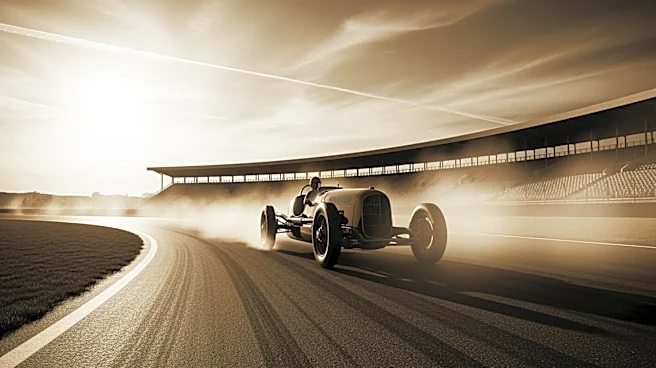


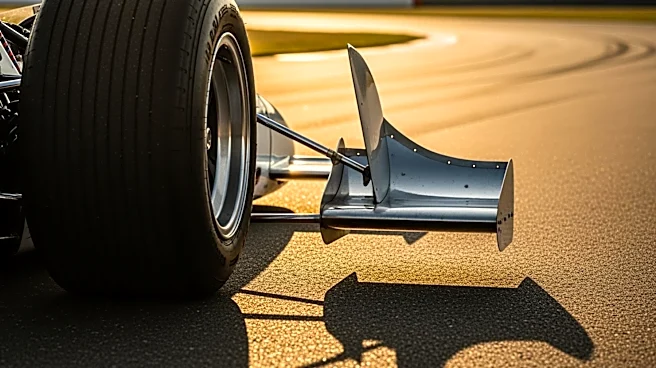
The 1920 Indianapolis 500 was a race filled with unexpected turns and dramatic moments. Held on May 31, 1920, at the Indianapolis Motor Speedway, it marked the eighth running of this prestigious event. The race was not just about speed but also about overcoming challenges, as demonstrated by the eventual winner, Gaston Chevrolet. This article delves into the key events and challenges that defined the 1920 race.
Ralph DePalma's Early Lead and Setback
Ralph DePalma, a seasoned driver, started
the race strong, securing the pole position with a speed of 99.65 mph. He quickly established a commanding two-lap lead, showcasing his skill and the performance of his car. However, the race took a dramatic turn on lap 187 when DePalma's car stalled. His riding mechanic, Pete DePaolo, believed they were out of fuel and ran to the pits to fetch gasoline. This delay cost DePalma his lead, allowing Gaston Chevrolet to take the front position.
Despite the setback, DePalma managed to get his car running again and rejoined the race. His initial dominance and subsequent struggle highlighted the unpredictable nature of the Indianapolis 500, where mechanical issues and quick decision-making could drastically alter the outcome.
Gaston Chevrolet's Victory Amidst Fuel Challenges
Gaston Chevrolet, driving for the William Small Company, capitalized on DePalma's misfortune and took the lead. However, Chevrolet faced his own challenge when he ran out of fuel on lap 197. Demonstrating remarkable composure, he coasted to the pits to refuel and managed to maintain his lead. Chevrolet's ability to handle this critical moment without losing his position was a testament to his skill and determination.
Chevrolet's victory was notable not only for overcoming the fuel issue but also for completing the race without a single tire change, a remarkable feat at the time. His win was the last by a driver born outside the United States until 1946, adding a historical significance to his achievement.
The Legacy of the 1920 Indianapolis 500
The 1920 Indianapolis 500 was more than just a race; it was a showcase of resilience and adaptability. The challenges faced by drivers like DePalma and Chevrolet underscored the importance of strategy and quick thinking in motorsport. The race also highlighted the evolving nature of the Indianapolis 500, with new rules such as the introduction of four-lap qualifying runs, which added a new layer of complexity to the event.
Overall, the 1920 race remains a memorable chapter in the history of the Indianapolis 500, illustrating the unpredictable and thrilling nature of this iconic motorsport event.