

Vegan diets have gained popularity for their health benefits and ethical considerations. However, understanding the nutritional components of a vegan diet is crucial for maintaining a balanced and healthy lifestyle. This article delves into the nutritional aspects of vegan diets, highlighting the nutrients that are abundant and those that require careful planning.
Nutrient-Rich Components of Vegan Diets
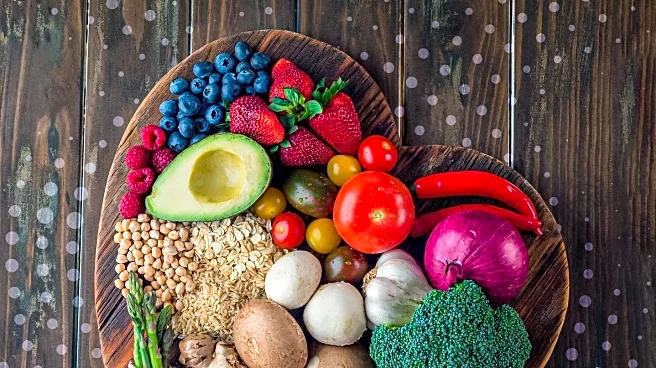
Vegan diets are often rich in dietary fiber, magnesium, folic acid, vitamin C, vitamin E,
and phytochemicals. These nutrients are abundant in plant-based foods such as fruits, vegetables, nuts, and seeds. The high fiber content in vegan diets aids in digestion and can help maintain a healthy weight. Magnesium and folic acid are essential for various bodily functions, including energy production and DNA synthesis.
Vitamins C and E, found in abundance in fruits and vegetables, are powerful antioxidants that protect the body from oxidative stress. Phytochemicals, which are naturally occurring compounds in plants, have been linked to numerous health benefits, including reduced inflammation and a lower risk of chronic diseases. These components make vegan diets appealing for those seeking to improve their overall health.
Nutrients Requiring Attention in Vegan Diets
While vegan diets offer many health benefits, they can be lower in certain nutrients such as iron, vitamin D, calcium, zinc, vitamin B12, and long-chain omega-3 fatty acids. Iron from plant sources is less readily absorbed by the body compared to heme iron from animal products. To enhance iron absorption, vegans are encouraged to consume iron-rich foods alongside vitamin C-rich foods.
Vitamin B12 is another critical nutrient that is not naturally present in plant foods. Vegans are advised to consume B12-fortified foods or take supplements to prevent deficiency. Similarly, vitamin D, calcium, and omega-3 fatty acids may require supplementation or careful dietary planning to ensure adequate intake. These nutrients are vital for bone health, immune function, and cardiovascular health.
Planning a Balanced Vegan Diet
A well-planned vegan diet can meet all nutritional needs at every stage of life. The American Academy of Nutrition and Dietetics and other health organizations recognize that with proper planning, vegan diets are suitable for all ages, including during pregnancy and lactation. It is essential for vegans to be mindful of their nutrient intake and consider fortified foods or supplements when necessary.
Incorporating a variety of plant-based foods can help ensure a balanced intake of essential nutrients. Legumes, whole grains, nuts, seeds, and fortified plant milks are excellent sources of protein, calcium, and other vital nutrients. By paying attention to nutrient intake and making informed dietary choices, vegans can enjoy the health benefits of a plant-based diet while minimizing the risk of deficiencies.