
Cat trees have come a long way since their inception, evolving from simple structures to sophisticated designs that cater to both feline needs and human aesthetics. These artificial structures, also known as cat condos or towers, have been developed to provide cats with a space to play, exercise, relax, and sleep. Over time, the design and functionality of cat trees have adapted to meet the changing preferences of both cats and their owners.
Early Cat Tree Designs
The earliest
cat trees were basic, floor-based structures made from square-shaped sheets of particle board. These sheets served as platforms, boxes, and enclosed spaces, creating multiple levels for cats to explore. Wooden studs and planks were used to connect these levels, allowing cats to climb and move around the structure.
Carpet was the material of choice for covering the exterior and interior surfaces of these early cat trees. This provided a familiar texture for cats and helped to protect the structure from wear and tear. Additionally, sisal rope was often used to wrap around elevators and other parts of the structure, encouraging cats to scratch and reducing damage to other furniture in the home.
The Rise of Specialized Designs
As the popularity of cat trees grew, so did the demand for more specialized designs. Cat owners began seeking structures that not only met the needs of their pets but also complemented their home decor. This led to the development of wall-mounted cat trees, which save floor space and offer a unique climbing experience for cats.
Ergonomic designs and geometries that contour to feline anatomy also emerged, providing cats with greater comfort and ease of use. Some cat trees began to simulate the appearance of real trees, blending seamlessly with home interiors. These specialized designs offered improved functionality and aesthetics, appealing to a wider range of cat owners.
Modern Cat Trees: A Blend of Function and Style
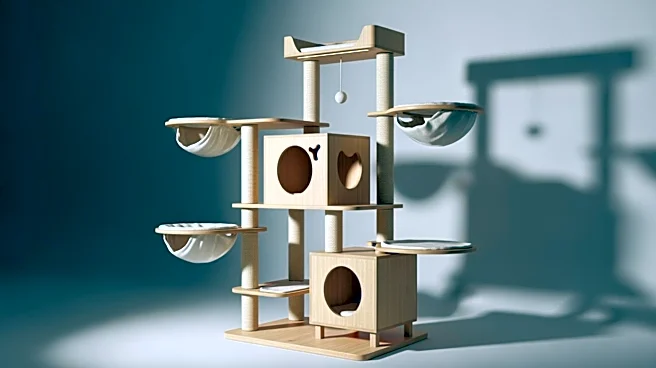
Today, modern cat trees combine the essential features for feline enjoyment with stylish designs that enhance home decor. Soft textiles and heavyweight fabrics have replaced abrasive carpets in many luxury-themed designs, creating a more comfortable and visually appealing structure.
The evolution of cat trees reflects the changing needs and preferences of both cats and their owners. By offering a dedicated space for cats to express their natural instincts, these structures continue to play a vital role in enhancing the lives of indoor cats. As design trends and technologies continue to evolve, cat trees are likely to become even more innovative and integrated into modern living spaces.