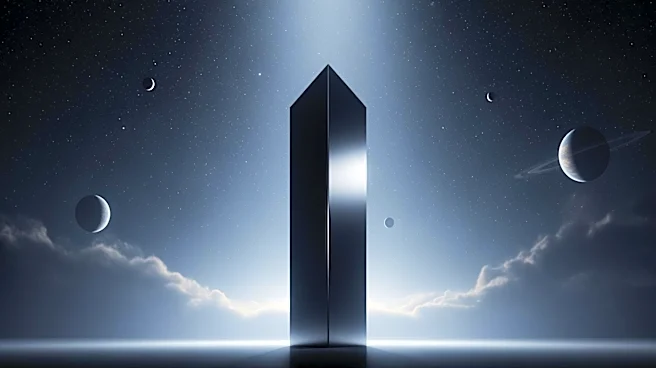




2001: A Space Odyssey, directed by Stanley Kubrick, is often hailed as one of the greatest films ever made. Released in 1968, this epic science fiction film is renowned for its groundbreaking special effects and innovative storytelling techniques. Kubrick's vision, combined with Arthur C. Clarke's narrative, created a cinematic masterpiece that continues to influence filmmakers and captivate audiences.
Visual Storytelling and Special Effects
Kubrick's approach to visual storytelling in 2001:
A Space Odyssey was revolutionary. He chose to use long sequences accompanied only by music, shunning conventional dialogue-driven narratives. This decision allowed the film to communicate on a visual and visceral level, engaging viewers in a unique cinematic experience. The film's special effects were pioneering for its time, with Kubrick winning an Academy Award for his direction of the visual effects. These effects were achieved through meticulous in-camera techniques, avoiding the degradation of picture quality associated with blue screen and traveling matte methods.
The film's depiction of spaceflight was noted for its scientific accuracy, a testament to Kubrick's commitment to realism. He collaborated with illustrators and special effects artists to create concept drawings and models that brought the film's space technology to life. The use of classical music, rather than an original score, further enhanced the film's visual storytelling, creating an emotional resonance that transcended traditional cinematic techniques.
The Role of Music in 2001: A Space Odyssey
Music played a crucial role in 2001: A Space Odyssey, with Kubrick opting for classical compositions over a traditional film score. This choice was unconventional, as most films of the era featured original music. Kubrick's selection of pieces by Richard Strauss, Johann Strauss II, and György Ligeti added a layer of depth to the film, elevating its visual sequences to a sublime level.
The iconic use of Richard Strauss's "Also Sprach Zarathustra" in the film's opening sequence set the tone for the epic journey that followed. The music's grandeur complemented the film's exploration of themes such as human evolution and the vastness of space. Kubrick's decision to use existing classical music allowed the film to evoke a sense of wonder and awe, enhancing the viewer's emotional experience.
Influence on Future Filmmaking
2001: A Space Odyssey's impact on the film industry is immeasurable. Its innovative use of special effects and visual storytelling set a new standard for science fiction films. Directors such as Steven Spielberg and George Lucas have cited the film as a major influence on their work, with Spielberg describing it as his generation's "big bang."
The film's success demonstrated that science fiction could be both commercially viable and artistically significant, paving the way for future blockbusters. Its influence can be seen in films like Star Wars and Blade Runner, which built upon the visual and thematic foundations laid by Kubrick. 2001: A Space Odyssey remains a touchstone for filmmakers, inspiring them to push the boundaries of cinematic storytelling.