



The Mercury-Atlas 7 mission, part of the United States' Mercury program, marked a significant milestone in space exploration. Launched on May 24, 1962, this mission was piloted by astronaut Scott Carpenter, who became the sixth human to travel into space. The mission aimed to complete three orbits around Earth, but it faced several challenges that tested the limits of human ingenuity and technology.
The Launch and Objectives
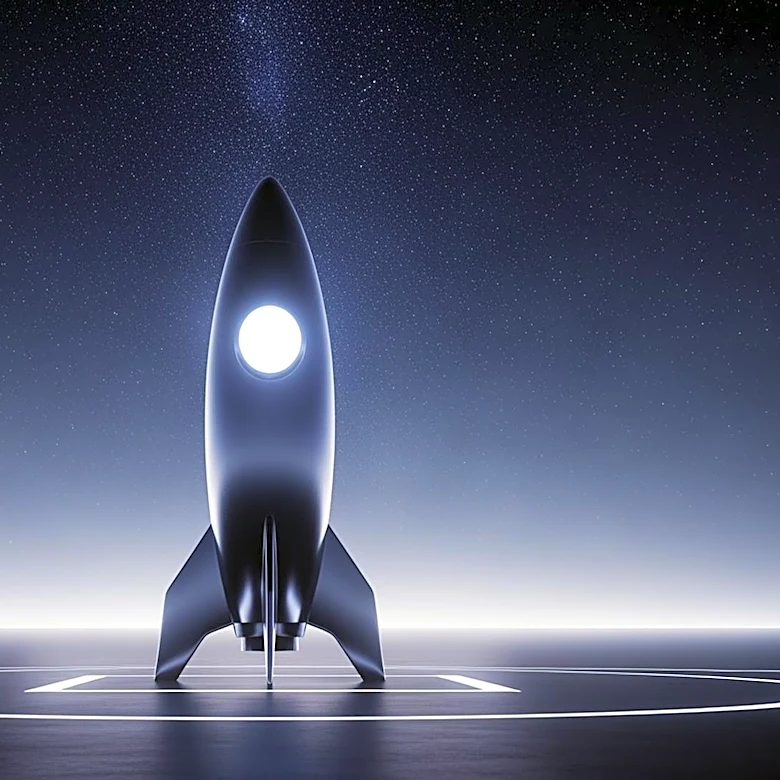
Mercury-Atlas 7 was launched using an Atlas rocket,
a powerful vehicle designed to propel the spacecraft into orbit. The mission's primary objective was to conduct scientific experiments and gather data on human spaceflight. Carpenter's spacecraft, named Aurora 7, was equipped with instruments to observe phenomena such as the behavior of small particles in space and the effects of weightlessness on the human body.
The mission was also a test of the spacecraft's systems and the astronaut's ability to control the vehicle manually. Carpenter was tasked with observing flares launched from Australia, although cloud cover prevented successful observation. Despite these challenges, the mission provided valuable insights into the capabilities and limitations of human space travel.
Challenges and Reentry
One of the significant challenges faced during the Mercury-Atlas 7 mission was the rapid depletion of fuel used for maneuvering the spacecraft. This issue arose from a malfunction in the automatic attitude control system, which led to increased fuel consumption. As a result, Carpenter had to manually control the spacecraft's reentry into Earth's atmosphere.
The manual reentry was not without its difficulties. Due to a misalignment of the capsule, the reentry trajectory was off by 25 degrees, causing the spacecraft to land 400 kilometers away from the intended recovery area. This deviation delayed the recovery process, but Carpenter was eventually located and rescued by aircraft and naval vessels.
Legacy and Impact
Despite the challenges faced during the mission, Mercury-Atlas 7 was considered a success. It demonstrated the feasibility of manual control during reentry and provided critical data for future missions. The mission also highlighted the importance of precise calculations and the need for reliable systems in space exploration.
Scott Carpenter's journey on Mercury-Atlas 7 remains a testament to human perseverance and the quest for knowledge. The mission's outcomes contributed to the advancement of space technology and paved the way for subsequent missions in the Mercury program. Carpenter's experience underscored the unpredictable nature of space travel and the resilience required to overcome its challenges.