




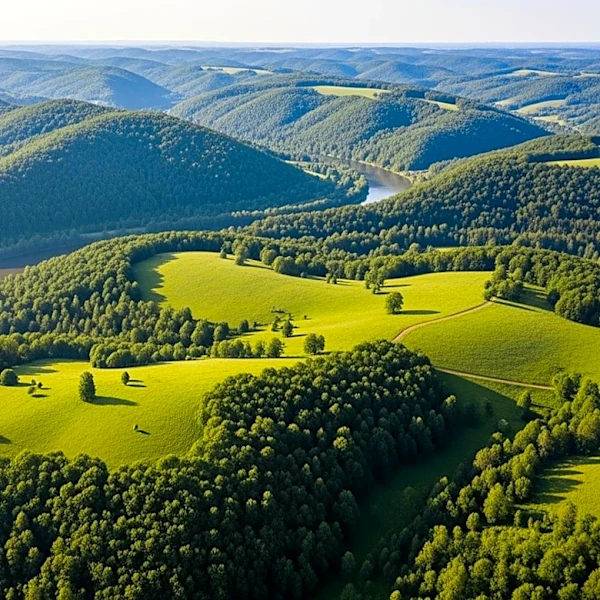



Rural tourism offers a unique opportunity for travelers to immerse themselves in the cultural heritage and traditions of rural communities. By engaging with local practices, art, and cuisine, visitors can gain a deeper understanding of the cultural fabric that defines these regions. This form of tourism not only enriches the travel experience but also plays a crucial role in preserving and promoting cultural heritage.
Preserving Cultural Heritage
One of the key aspects of rural
tourism is its focus on preserving cultural heritage. By showcasing traditional practices and local customs, rural tourism helps keep these traditions alive. Visitors are often encouraged to participate in activities such as folk dances, handicraft workshops, and culinary experiences, allowing them to connect with the cultural roots of the region.
In Portugal, rural tourism has been instrumental in preserving architectural heritage through the restoration of historical buildings for tourism purposes. The conversion of old farmhouses and manor houses into tourist accommodations not only provides a unique lodging experience but also ensures the preservation of these culturally significant structures.
Promoting Local Traditions
Rural tourism also plays a vital role in promoting local traditions and practices. By offering tourists the chance to engage with local communities, rural tourism fosters a sense of appreciation and respect for cultural diversity. Activities such as agrotourism allow visitors to participate in agricultural practices, providing insight into the daily lives of rural residents.
In Brazil, rural tourism is defined by its commitment to promoting the cultural and natural heritage of local communities. By highlighting the unique aspects of rural life, such as fishing practices and traditional crafts, rural tourism helps elevate the cultural significance of these regions. This not only attracts tourists but also encourages local residents to take pride in their cultural heritage.
The Role of Community Involvement
Community involvement is a cornerstone of rural tourism, ensuring that cultural heritage is preserved and promoted effectively. By involving local residents in tourism activities, rural tourism fosters a sense of ownership and pride in cultural traditions. This collaborative approach helps create authentic and meaningful experiences for visitors, while also providing economic benefits to the community.
In Israel, government support has been crucial in developing rural tourism initiatives that emphasize community involvement. By working closely with local communities, tourism programs have been able to create sustainable and culturally enriching experiences for tourists. This approach not only benefits the local economy but also ensures the preservation of cultural heritage for future generations.
Rural tourism's emphasis on cultural heritage and community involvement makes it a powerful tool for promoting and preserving the unique traditions of rural areas. As travelers continue to seek authentic and meaningful experiences, rural tourism offers a pathway to connect with the cultural richness of these regions.