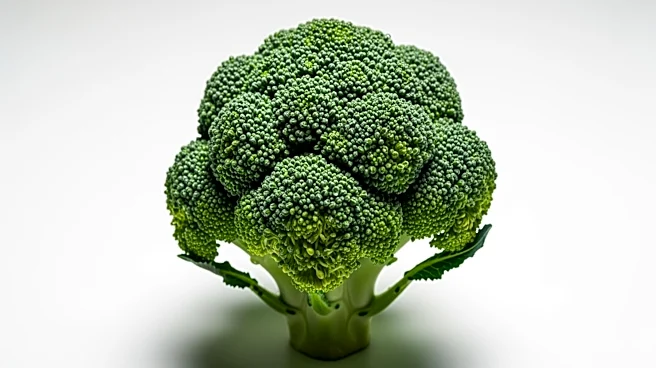



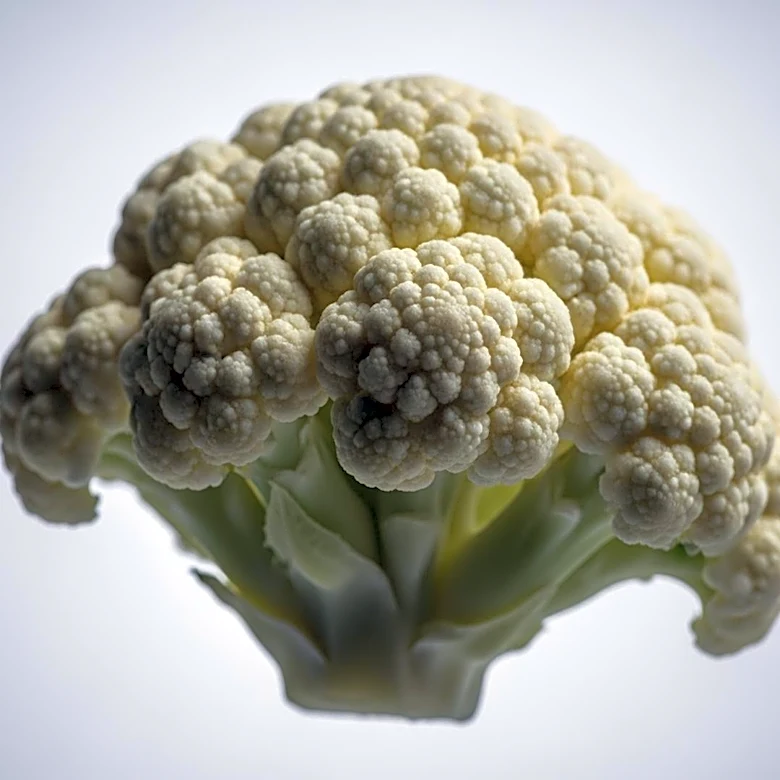


Broccoli is more than just a green vegetable; it's a nutritional powerhouse packed with essential vitamins and minerals. As part of the cabbage family, broccoli offers a range of health benefits that make it a staple in many diets. Understanding its nutritional profile and the best ways to prepare it can help maximize its health advantages.
Rich in Essential Nutrients
Broccoli is particularly noted for its high vitamin content. It is an excellent source of vitamin C, providing
nearly 99% of the daily value in just a 100-gram serving. This vitamin is crucial for maintaining a healthy immune system and promoting skin health. Additionally, broccoli is rich in vitamin K, which plays a vital role in bone health and blood clotting.
Beyond vitamins, broccoli contains significant amounts of dietary fiber, which aids in digestion and helps maintain a healthy weight. It also provides moderate levels of B vitamins and potassium, contributing to overall well-being. The presence of beta-carotene, a provitamin A carotenoid, further enhances its nutritional profile, supporting eye health and immune function.
Cooking Methods and Nutrient Preservation
The way broccoli is prepared can significantly impact its nutritional value. Boiling, for instance, can reduce the levels of glucosinolates, sulfur-containing compounds that have been studied for their potential health benefits. To preserve these compounds, alternative cooking methods such as steaming, microwaving, or stir-frying are recommended.
Steaming broccoli is particularly effective in retaining its nutrients. This method helps maintain the vegetable's vibrant color and crisp texture while preserving its vitamin and mineral content. Stir-frying with a small amount of oil can also enhance the flavor without compromising its health benefits.
The Role of Broccoli in a Healthy Diet
Incorporating broccoli into a balanced diet can offer numerous health benefits. Its low-calorie content, combined with its high nutrient density, makes it an ideal choice for those looking to maintain or lose weight. The fiber in broccoli promotes satiety, helping to control appetite and reduce overall calorie intake.
Moreover, the antioxidants found in broccoli, such as sulforaphane, have been the subject of research for their potential protective effects against certain diseases. While more studies are needed to confirm these benefits, the existing evidence supports the inclusion of broccoli as part of a healthy diet.
Broccoli's nutritional benefits and versatility in cooking make it a valuable addition to any meal plan. Whether enjoyed raw in salads or cooked as a side dish, broccoli offers a delicious way to boost nutrient intake and support overall health.