
The Monte Carlo Rally, officially known as Rallye Automobile Monte-Carlo, is a prestigious motorsport event that has captivated audiences since its inception in 1911. Founded by Prince Albert I, the rally was designed to showcase automotive innovations and promote Monaco as a tourist destination. Over the years, the rally has evolved significantly, adapting to changes in the automotive industry and the world of motorsport.
Early Beginnings and Format Changes
The Monte Carlo Rally began
as a concentration rally, where competitors started from various points across Europe and converged in Monaco. This format continued until 1997, when the rally shifted to a series of special stages. The initial rally in 1911 saw 23 cars set off from 11 different locations, with Henri Rougier winning the event in a Turcat-Méry 25 Hp. The rally was judged not only on driving but also on the elegance and condition of the cars upon arrival.
Following World War II, the importance of works-supported teams grew, with manufacturers like Simca, Delahaye, and Jaguar achieving victories. The rally's format and competitive nature continued to evolve, reflecting changes in the automotive industry and rallying techniques.
Controversies and Challenges
The Monte Carlo Rally has not been without its controversies. The 1966 event is particularly notable for the disqualification of the first four finishers due to non-standard headlamp bulbs. This decision led to Pauli Toivonen being declared the winner, although he refused to accept the award due to the circumstances. Such controversies have occasionally marred the rally's reputation, but they also highlight the stringent regulations and competitive spirit that define the event.
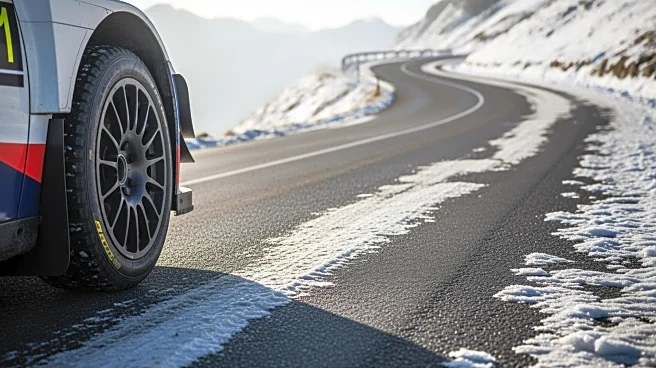
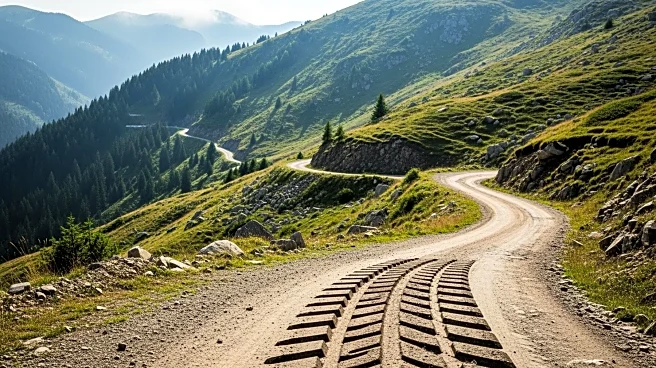
The rally's challenging conditions, including varying weather and road surfaces, have always been a significant aspect. Drivers must carefully choose their tires to balance grip on ice and snow with performance on dry tarmac, adding a strategic layer to the competition.
Modern Developments and Legacy
In recent years, the Monte Carlo Rally has continued to be a key event in the World Rally Championship (WRC). After a brief period as part of the Intercontinental Rally Challenge (IRC), the rally returned to the WRC in 2012. The event's iconic stages, such as the Col de Turini, remain a highlight, attracting thousands of spectators.
The rally's legacy is further enriched by related events like the Monte Carlo Historic Rally and the Monte Carlo E-Rally, which focus on classic cars and alternative fuel vehicles, respectively. These events celebrate the rally's rich history and its ongoing influence in the world of motorsport.