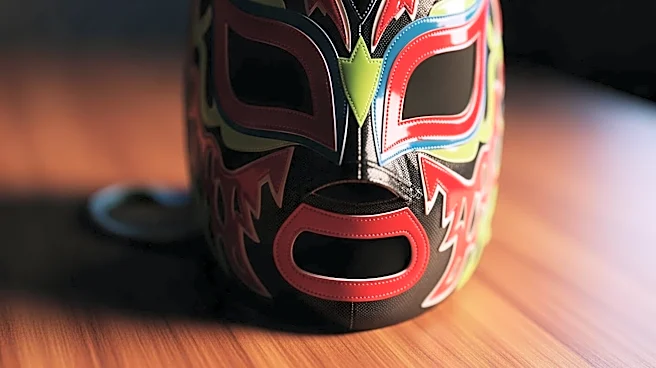



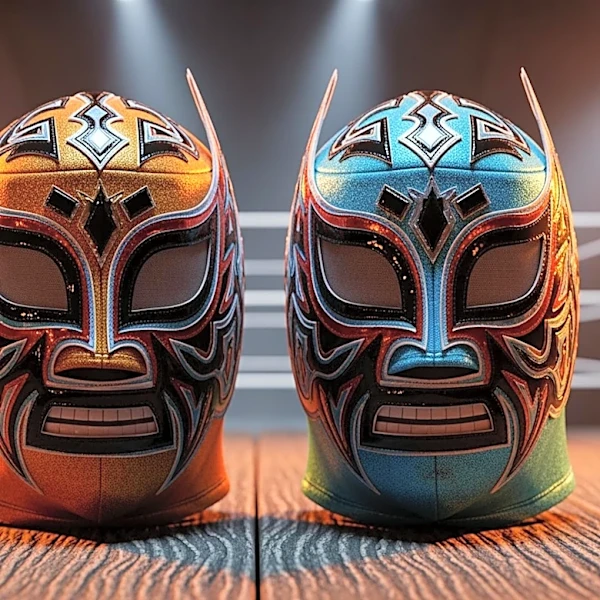


Masks hold a special place in the world of lucha libre, the Mexican style of professional wrestling. These masks are not just accessories; they are deeply embedded in the cultural and symbolic fabric of the sport. Lucha libre, which translates to "free wrestling," is characterized by its colorful masks, high-flying maneuvers, and dramatic storytelling. The masks worn by luchadores (wrestlers) are more than just a part of their costume; they represent
a wrestler's identity, legacy, and honor.
The Origins and Evolution of Lucha Libre Masks
The tradition of wearing masks in lucha libre dates back to the early 20th century. Initially, masks were simple, with basic colors used to distinguish wrestlers. Over time, they evolved into elaborate designs that reflect the personas of the luchadores. These masks often depict animals, gods, and ancient heroes, allowing wrestlers to embody these archetypes during their performances. The mask is considered sacred, and losing it in a match is seen as the ultimate disgrace.
The significance of masks in lucha libre is rooted in Mexican culture, where masks have been used in rituals and ceremonies for centuries. The Aztecs, for example, used masks in religious ceremonies to represent deities. This cultural heritage is reflected in the masks of lucha libre, which serve as a bridge between the past and the present, connecting modern wrestlers to their ancestral roots.
The Role of Masks in Luchas de Apuestas
In lucha libre, masks play a crucial role in a special type of match known as "luchas de apuestas," or "wager matches." In these high-stakes contests, wrestlers bet their masks against their opponent's mask, hair, or career. The loser must unmask and reveal their true identity, a moment that is both dramatic and emotional. This tradition adds an extra layer of intensity to the matches, as the stakes are not just about winning or losing but about preserving one's identity and honor.
The unmasking of a wrestler is a significant event, often marking a turning point in their career. It is customary for the unmasked wrestler to reveal their real name, hometown, and years of experience, adding a personal touch to the spectacle. This tradition underscores the importance of masks in lucha libre, as they are not just a part of the costume but a symbol of the wrestler's persona and legacy.
Masks as Cultural Icons
Beyond the wrestling ring, lucha libre masks have become cultural icons in Mexico and beyond. They are symbols of Mexican identity and pride, often used in art, fashion, and popular culture. Artists like Francisco Delgado and Xavier Garza incorporate lucha libre masks into their work, highlighting their significance as cultural artifacts.
The masks have also gained international recognition, with lucha libre influencing wrestling styles in the United States, Japan, and other countries. The colorful and dynamic nature of lucha libre has captured the imagination of audiences worldwide, making the masks a symbol of the sport's global appeal.
In conclusion, masks in lucha libre are much more than mere accessories. They are a vital part of the sport's cultural heritage, representing the identity, honor, and legacy of the wrestlers who wear them. As symbols of Mexican culture, these masks continue to captivate audiences and inspire artists, ensuring that the tradition of lucha libre remains vibrant and relevant.