

Downward Dog Pose, or Adho Mukha Svanasana, is a fundamental component of many yoga sequences, particularly in styles that emphasize flow and movement. This article delves into the role of Downward Dog within these sequences and highlights its benefits for practitioners.
Integration into Flow Yoga
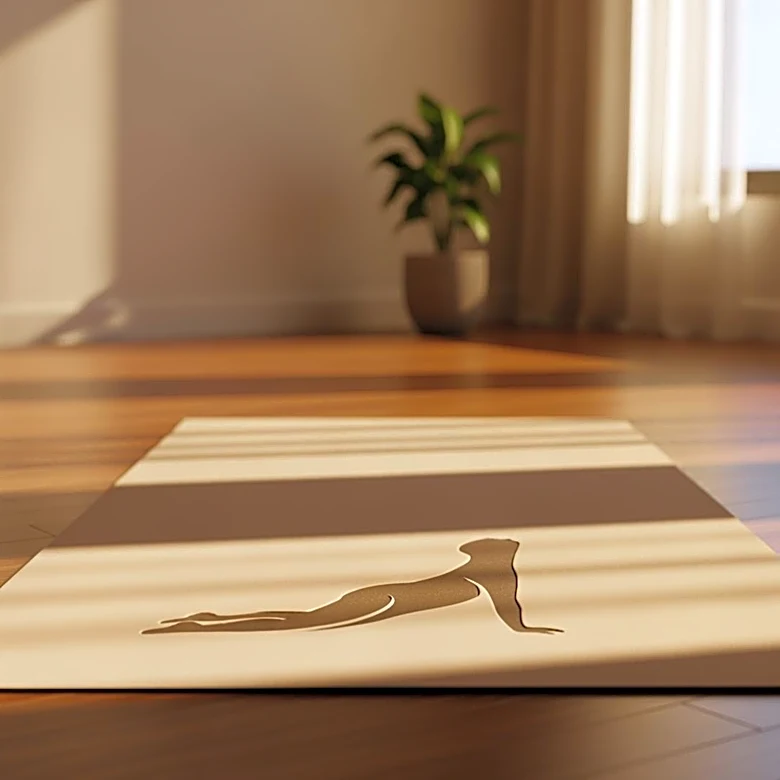
In flow yoga styles such as Vinyasa and Ashtanga, Downward Dog serves as a transitional pose that links other asanas. It is often part of a vinyasa sequence that includes Chaturanga
Dandasana (Low Staff Pose) and Urdhva Mukha Svanasana (Upward Dog Pose). This sequence is repeated throughout classes, creating a rhythm that coordinates breath with movement.
The pose's inclusion in Surya Namaskar, or Sun Salutation, further underscores its importance. In this sequence, Downward Dog is used to transition between poses, allowing practitioners to maintain a continuous flow. The pose's ability to stretch the hamstrings and calves while strengthening the shoulders makes it an ideal choice for these dynamic sequences.
Benefits for Practitioners
Downward Dog offers numerous physical benefits, making it a popular choice for yoga practitioners of all levels. It stretches the hamstring and calf muscles, which can improve flexibility and reduce tension in the legs. The pose also builds strength in the shoulders, helping to support the upper body during more challenging asanas.
For experienced practitioners, Downward Dog serves as a restorative pose, providing a moment of rest and recalibration during a sequence. Beginners may find the pose challenging, but with practice, it can become a cornerstone of their yoga routine. Variations such as bending the knees or supporting the heels can help newcomers become comfortable with the pose.
Variations and Adaptations
Downward Dog can be adapted to suit individual needs and preferences. Variations include bending one knee and lowering the hip on that side, or "pedaling" by bending one knee and raising the ankle, then switching sides. Raising one leg or twisting the body to reach back with one hand are other options.
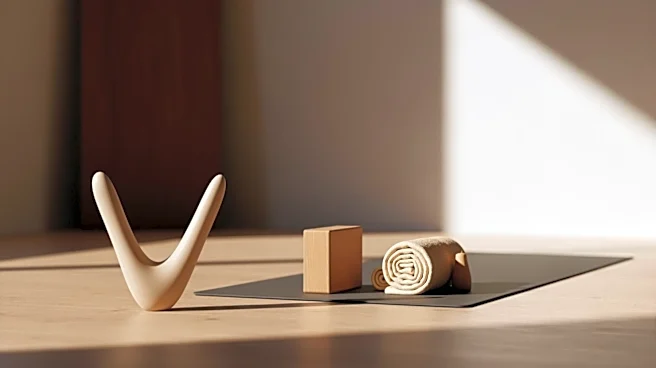
Props such as straps, bolsters, and rolled blankets can assist practitioners in achieving the pose. These adaptations make Downward Dog accessible to people with injuries or limited flexibility, ensuring that everyone can benefit from its restorative and strengthening properties.