



Instrumentation has played a crucial role in the evolution of classical music, shaping its sound and expanding its expressive capabilities. From the Baroque period to the modern era, the development and refinement of musical instruments have influenced the composition and performance of classical music, reflecting broader technological and cultural shifts.
Baroque Innovations and Classical Refinements
During the Baroque period, the use of complex tonal counterpoint and basso continuo was prevalent.
Instruments like the harpsichord and pipe organ were central to Baroque music, while the violin family took on forms that are still recognized today. The Baroque era also saw the emergence of opera as a distinct musical form, with vocalists adding ornamentation to their performances.
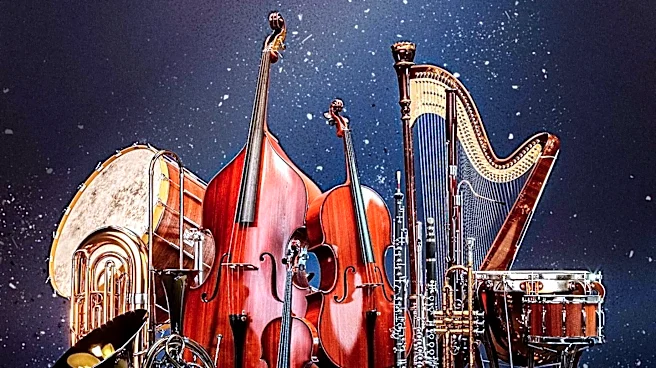
As the Classical period emerged, the piano became the predominant keyboard instrument, replacing the harpsichord. The orchestra's basic forces became more standardized, with the string section consisting of violins, violas, cellos, and double basses. Wind instruments like the clarinet gained prominence, thanks to composers like Mozart, who expanded their role in orchestral and chamber music settings.
Romantic Expansion and Technological Advances
The Romantic era brought significant changes to instrumentation, with the orchestra growing in size and scope. The modern piano, with its powerful and sustained tone, replaced the more delicate fortepiano. Brass instruments took on larger roles, aided by the introduction of rotary valves, which allowed for a wider range of notes.
The Romantic period also saw the addition of new woodwind and percussion instruments, such as the contrabassoon, bass clarinet, and xylophone. These changes allowed composers to create richer and more varied orchestral textures, reflecting the era's emphasis on expressiveness and emotional depth.
Modernism and the Global Influence
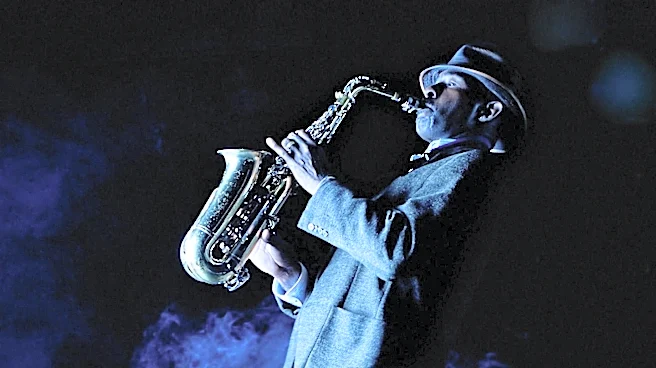
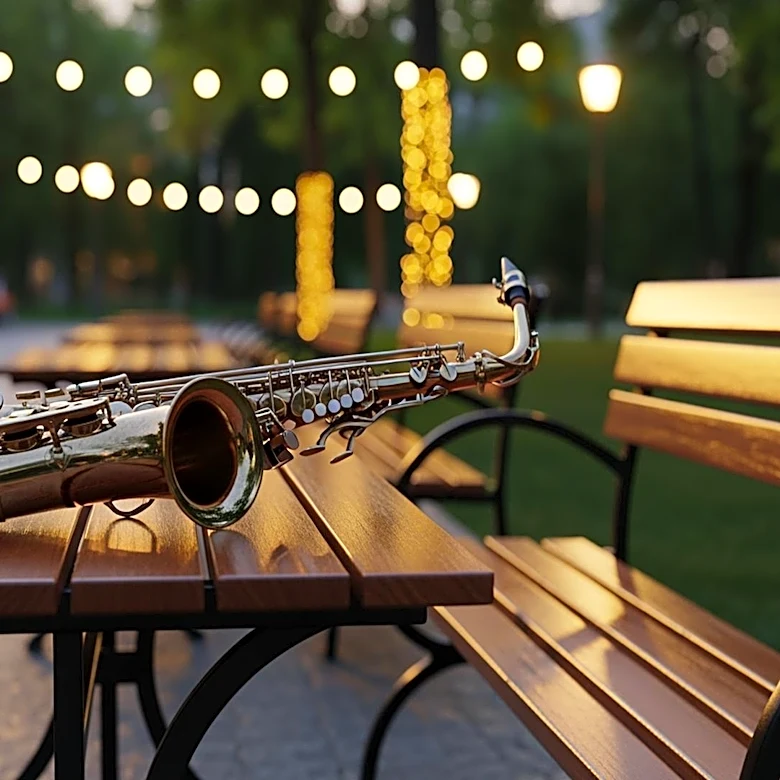
In the 20th century, modernism in music brought further innovations in instrumentation. Composers experimented with new sounds and techniques, often incorporating elements from jazz and popular music. The saxophone, for example, became more commonly used in orchestral settings, while the accordion and euphonium found their place in classical compositions.
The global influence on classical music also became more pronounced, with composers drawing inspiration from diverse musical traditions. This cross-cultural exchange led to the creation of new instruments and the adaptation of existing ones, further expanding the sonic possibilities of classical music. As a result, instrumentation continues to play a vital role in the ongoing evolution of classical music, reflecting the dynamic and interconnected world of the modern era.