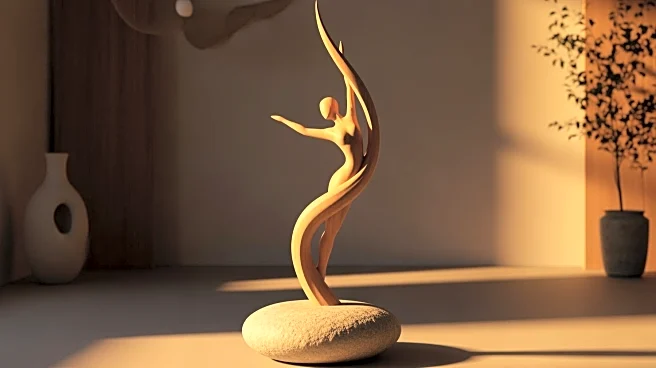


Natarajasana, or the Lord of the Dance Pose, is a striking and challenging asana in modern yoga. While its roots can be traced back to classical Indian dance, its journey into modern yoga practice is a story of adaptation and popularization. This article explores the evolution of Natarajasana, from its origins to its current status as a staple in yoga studios worldwide.
Origins and Introduction to Modern Yoga
Natarajasana is derived from a pose in Bharatnatyam, a classical Indian dance form.
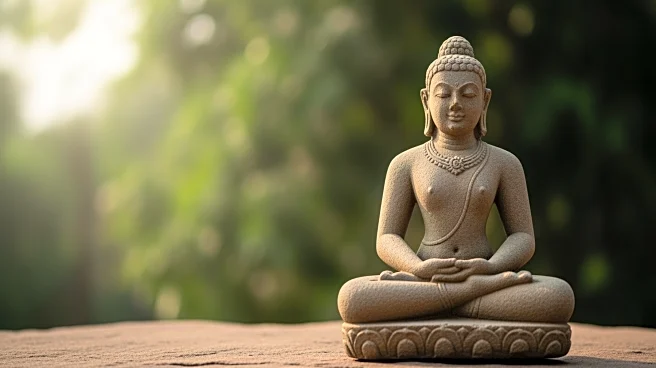
The pose is depicted in temple statues, such as those in the Nataraja Temple in Chidambaram, highlighting its cultural and spiritual significance. The name "Natarajasana" comes from the Sanskrit words "nata," meaning dancer, and "raja," meaning king, referring to the Hindu god Shiva in his form as the cosmic dancer.
The introduction of Natarajasana into modern yoga is credited to Krishnamacharya, a pioneering figure in the development of contemporary yoga practices. In the early 20th century, Krishnamacharya began incorporating various poses, including Natarajasana, into his teachings. His students, such as B.K.S. Iyengar, further popularized the pose, making it a signature element of their yoga instruction.
Popularization by B.K.S. Iyengar
B.K.S. Iyengar played a crucial role in the popularization of Natarajasana. Known for his precise and methodical approach to yoga, Iyengar adopted the pose as a hallmark of his practice. He emphasized the pose's aesthetic appeal and the physical challenges it presented, encouraging practitioners to develop concentration, balance, and flexibility.
Iyengar's influence extended beyond his own practice, as he shared his knowledge with other yoga teachers and enthusiasts. His book, "Light on Yoga," features Natarajasana prominently, showcasing its beauty and complexity. Through Iyengar's efforts, Natarajasana became a widely recognized and practiced pose in the global yoga community.
Natarajasana in Contemporary Yoga
Today, Natarajasana is a popular pose in yoga classes around the world. Its combination of strength, balance, and grace makes it a favorite among practitioners seeking to challenge themselves physically and mentally. The pose is often used in advertising and media to convey qualities such as elegance and poise, further cementing its status as an iconic yoga posture.
The evolution of Natarajasana from a classical dance pose to a modern yoga staple reflects the dynamic nature of yoga practice. As practitioners continue to explore and adapt traditional poses, Natarajasana remains a testament to the enduring appeal and transformative power of yoga.