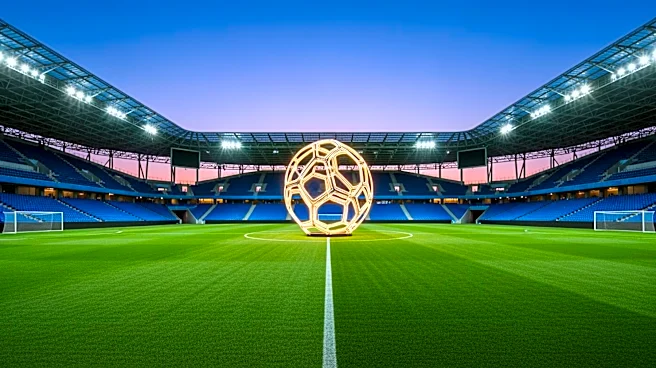


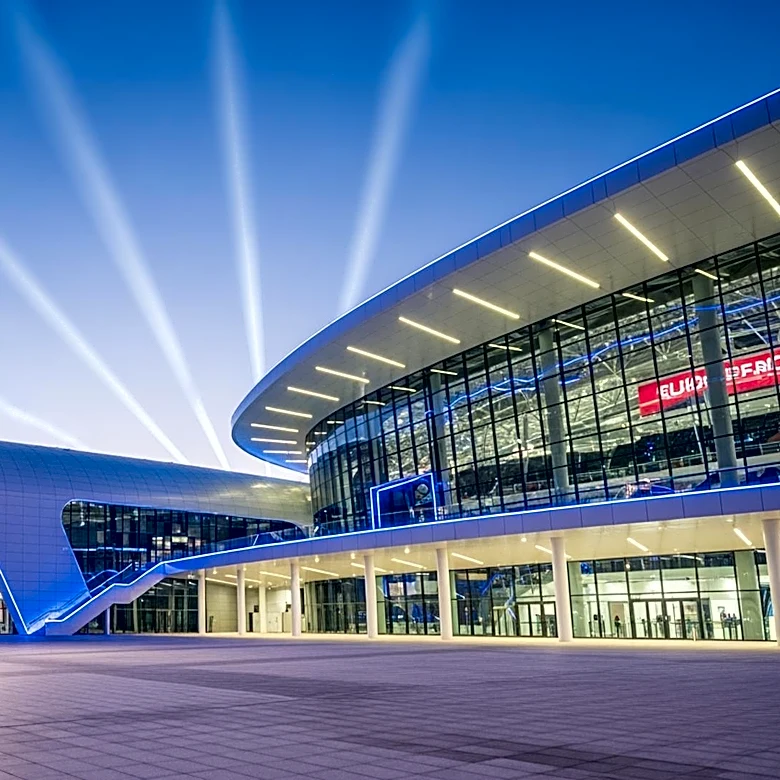




Portugal is set to play a significant role in the 2030 FIFA World Cup as one of the co-hosts, alongside Morocco and Spain. This marks a historic moment for the country, as it prepares to welcome the world to its shores for one of the most prestigious sporting events. This article explores Portugal's involvement in the 2030 World Cup, the preparations underway, and the potential impact on the nation.
The Decision to Co-Host
The decision for Portugal to co-host the 2030 FIFA
World Cup with Morocco and Spain is a testament to the country's growing influence in international football. This collaboration between three nations is a unique arrangement, reflecting a spirit of cooperation and shared vision for the tournament. For Portugal, this opportunity is not only a chance to showcase its footballing culture but also to demonstrate its capability to host a global event of this magnitude.
Co-hosting the World Cup allows Portugal to share the responsibilities and benefits of the tournament with its neighbors. This includes the development of infrastructure, the promotion of tourism, and the strengthening of international relations. The collaboration with Morocco and Spain also highlights the importance of regional partnerships in organizing large-scale events, setting a precedent for future tournaments.
Preparations and Infrastructure
As a co-host, Portugal is undertaking significant preparations to ensure the success of the 2030 World Cup. This includes upgrading existing stadiums and facilities to meet FIFA's standards, as well as investing in transportation and accommodation infrastructure. The goal is to provide a seamless experience for players, officials, and fans from around the world.
The World Cup presents an opportunity for Portugal to showcase its rich cultural heritage and vibrant cities. By hosting matches in various locations across the country, Portugal can highlight its diverse landscapes and attractions. This not only enhances the experience for visitors but also boosts the local economy through increased tourism and international exposure.
Impact and Legacy
The 2030 FIFA World Cup is expected to have a lasting impact on Portugal, both in terms of football and broader societal benefits. The tournament will inspire a new generation of football enthusiasts and provide a platform for local talent to shine on the world stage. Additionally, the investments made in infrastructure and facilities will benefit the country long after the tournament concludes.
Hosting the World Cup also reinforces Portugal's position as a key player in international football. It provides an opportunity to strengthen the country's footballing legacy and build on its past achievements. As Portugal prepares to welcome the world in 2030, the nation stands ready to deliver a memorable and successful tournament that will be remembered for years to come.