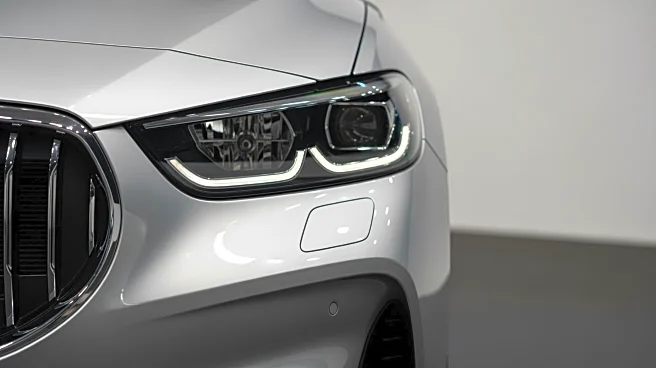




Fascia in the automotive world refers to the decorative panels of a car's dashboard or the dashboard assembly. Over the years, the concept of fascia has evolved significantly, reflecting changes in design trends, materials, and automotive technology. This article delves into the historical development of car fascia, highlighting key milestones and transformations that have shaped its current form.
Early Developments and Initial Uses
In the early days of automotive design, fascia primarily
referred to the decorative panels on a car's dashboard. These panels were often made from materials like wood or metal, serving both aesthetic and functional purposes. The 1976 Chrysler, for instance, featured a typical fake-wood fascia, showcasing the emphasis on visual appeal during that era.
As automotive design progressed, the role of fascia expanded beyond mere decoration. The late 1970s saw significant changes in bumper design regulations, leading to the increased use of soft plastic materials on the front and rear of vehicles. This shift marked the beginning of fascia's evolution into a more comprehensive term, encompassing various front-end components such as grilles, headlamps, and bumpers.
Integration and Modernization
With advancements in automotive technology, fascia became an integral part of a car's design, contributing to both aesthetics and functionality. Carmakers began to design body panels that formed the nose of their vehicles, creating a unified look across their model lines. Notable examples include Mitsubishi's 'shark' grille and Kia's 'tiger-nose' grille, which became distinctive features of their respective brands.
The integration of fascia into the overall vehicle design also involved the use of bumper valance panels. These panels, mounted on top of or beneath the bumper, became part of the vehicle's fascia, further enhancing the cohesive appearance of the car's front end. This trend towards integration reflects the industry's focus on creating visually appealing and aerodynamically efficient vehicles.
The Future of Car Fascia
As the automotive industry continues to evolve, the role of fascia is likely to expand further. With the rise of electric vehicles and autonomous driving technology, fascia may incorporate advanced sensors and cameras, playing a crucial role in vehicle safety and performance. Additionally, the use of sustainable materials and innovative design techniques could redefine the aesthetics and functionality of car fascia in the coming years.
In conclusion, the evolution of car fascia from simple decorative panels to a key component of modern vehicle design highlights the dynamic nature of the automotive industry. As technology advances and consumer preferences shift, fascia will continue to adapt, reflecting the ever-changing landscape of automotive design.